
Stop being overlooked.
Start being unforgettable.
Eleven chapters on how senior people get read in a room, and what to change about it. Thirty-seven worksheets you can copy straight off the page. A thirty day plan. This is the written version of what Bandita Patro teaches inside companies, and it is free.
- Passed over for promotions despite the results
- Younger colleagues getting more airtime than you
- Not taken seriously in the meetings that count
- Told to work on your presence, with no idea how
100,000+ professionals trained223+ organizations20+ years in practice
11 Chapters. 11 Transformations.
Each chapter solves one specific challenge. Tap to expand.
Twenty years of this work, in public
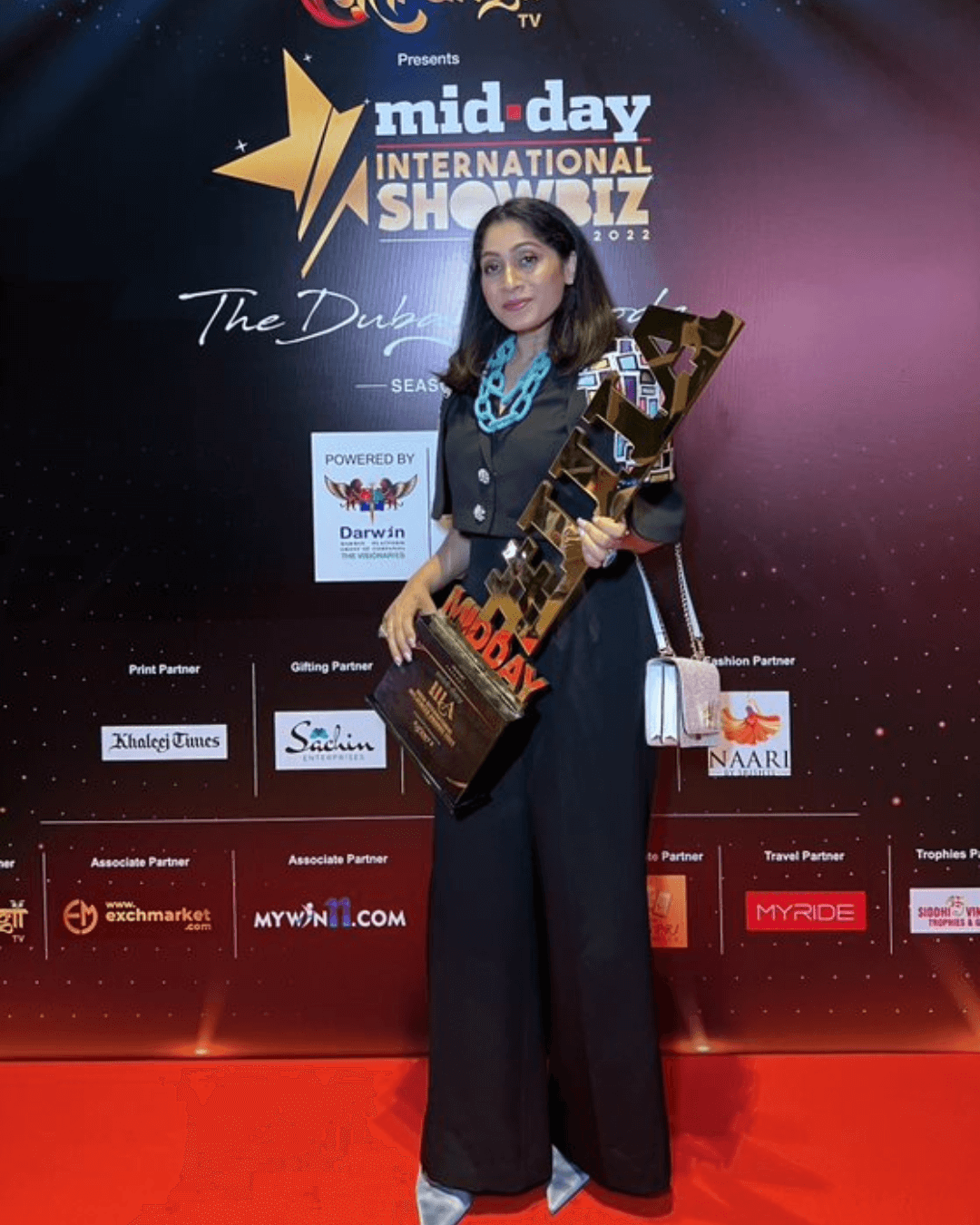
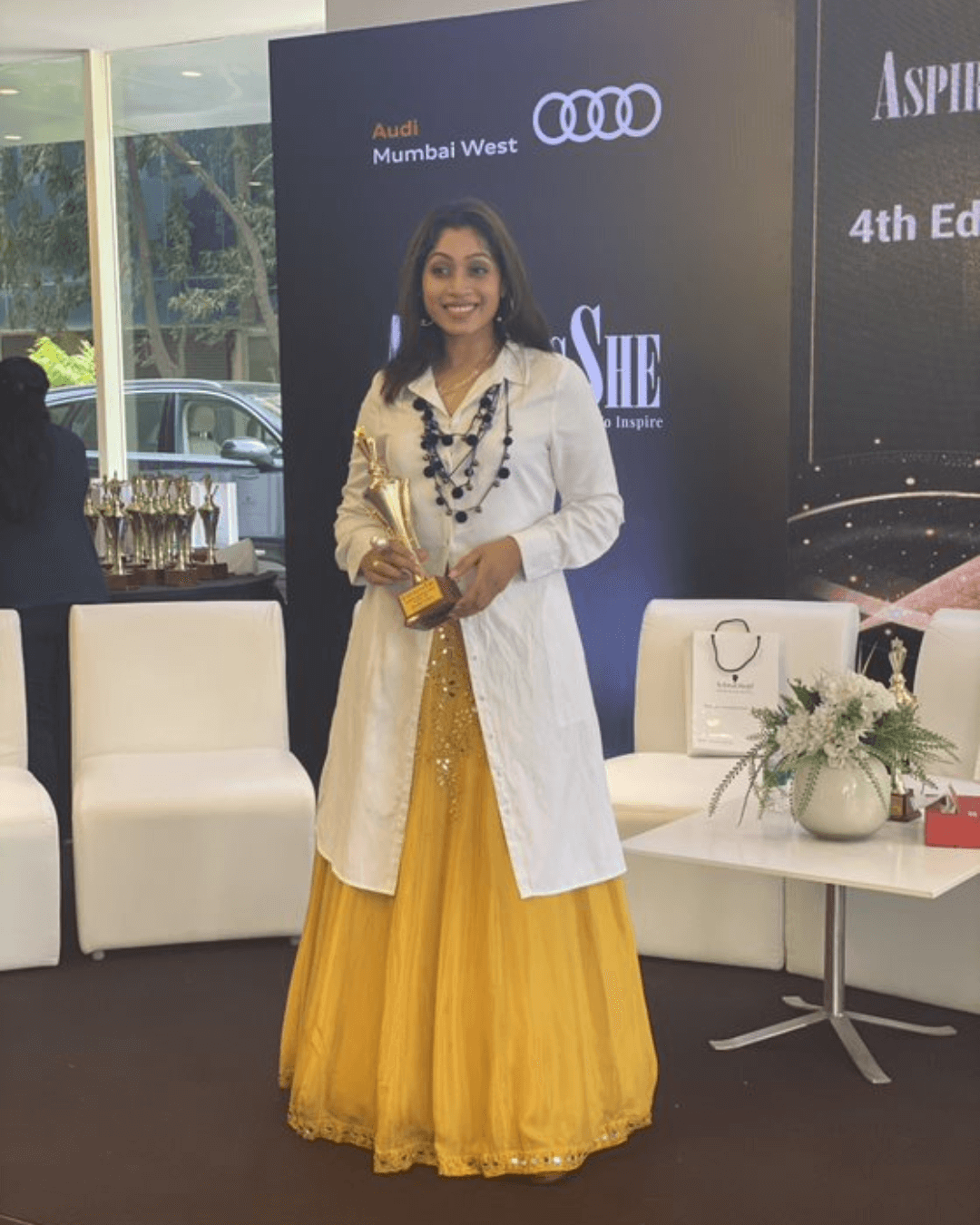
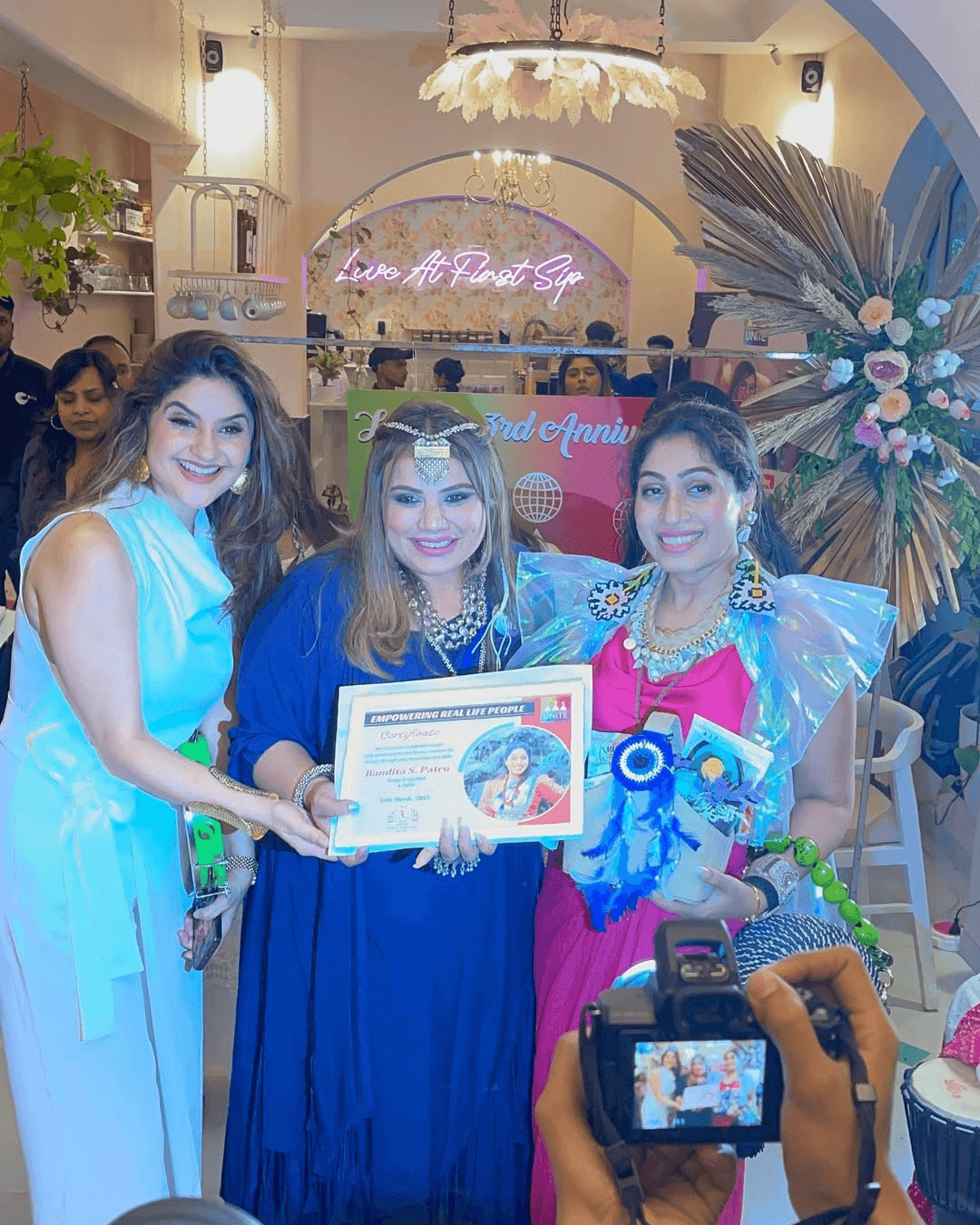
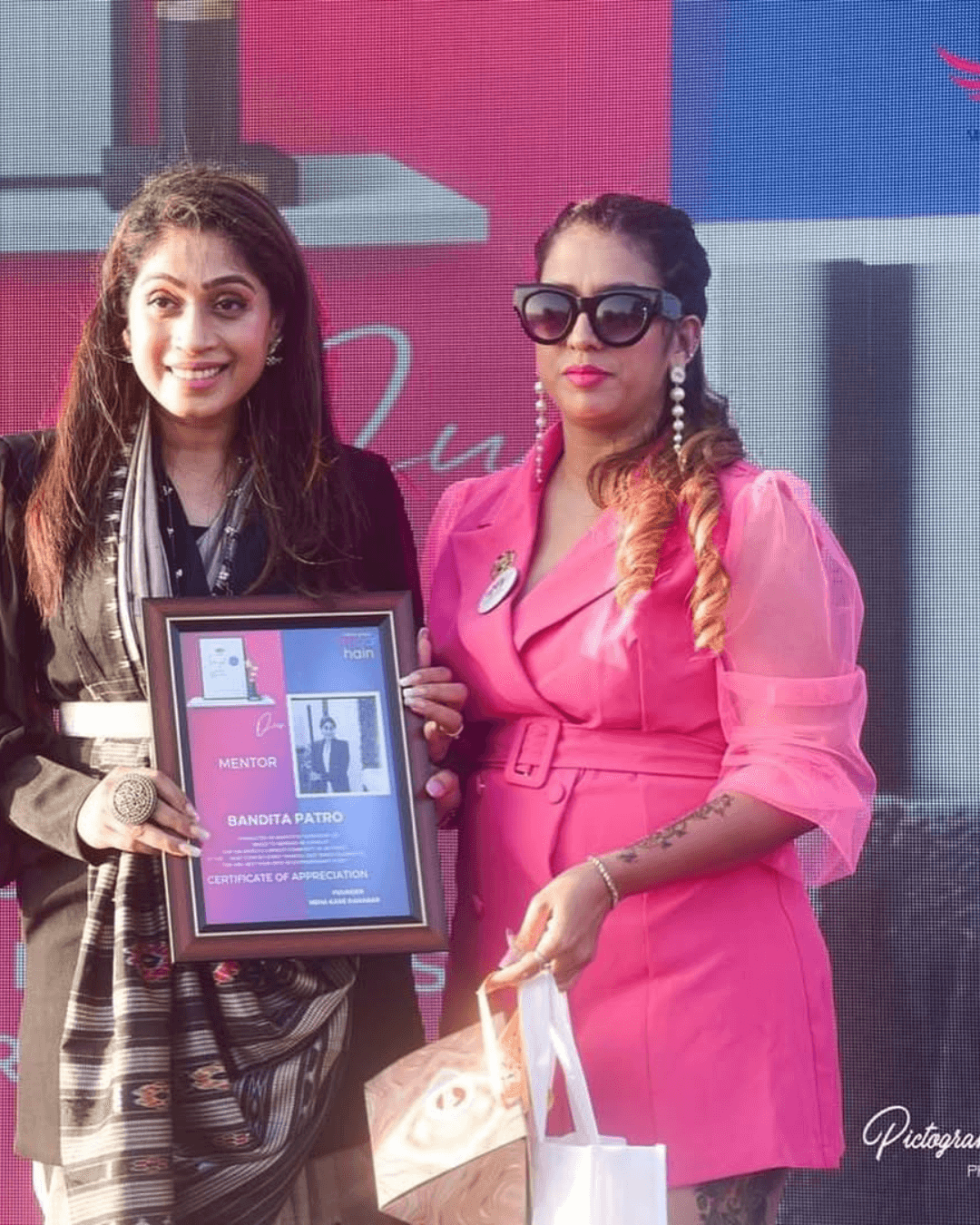
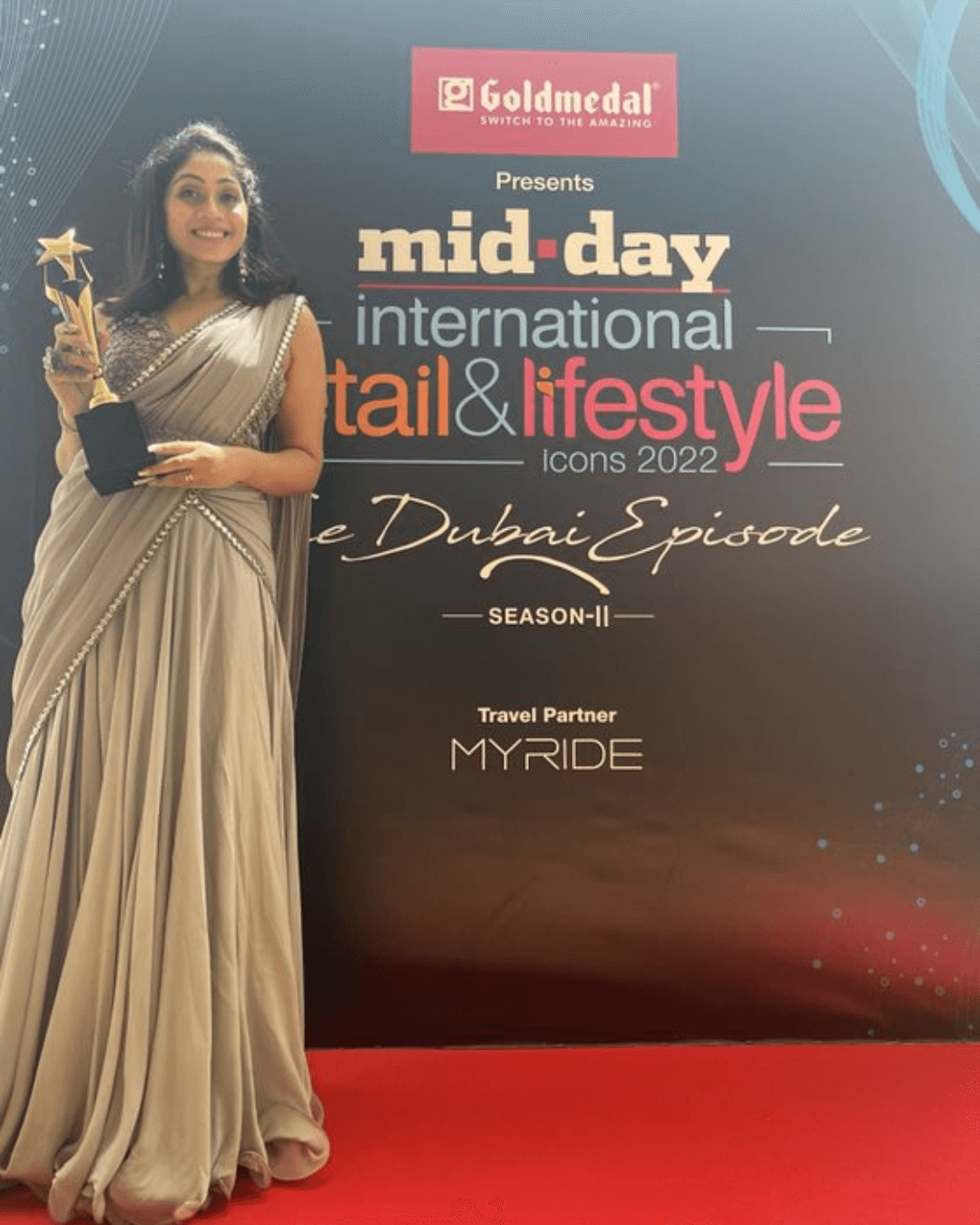
Mundial Image is not a content brand. Bandita has spent more than twenty years in rooms of the kind this blueprint describes, training over 100,000 professionals across 223 organizations. What follows in chapters two to eleven is that work, written down. Tap any frame to see it larger.
- 100K+
- professionals trained
- 223+
- organizations
- 20+
- years in practice
10 chapters and 37 templates are still locked
Take the rest of it. It costs an email.
Chapter one is open above. Chapters two to eleven are open too, but the worksheets, scripts and the thirty day tracker inside them are held back until we know where to send them.
- 66
- modules
- 37
- worksheets
- 100+
- written lines
- 30
- day plan
Every chapter, every worksheet, every script. Next: thirty minutes with Bandita, free, where she reads your presence and names the three things to change first.
Book the free Image Scope sessionYour Color Code
"I don't know what colors suit me"
Why Color is Your Silent Power Signal
Color communicates before words do. The right colors make you look healthier, more vibrant, and more authoritative, especially important for Indian professionals navigating global boardrooms.
Indian skin tones range from fair wheat to deep duskyall with predominantly warm undertones (golden, olive, copper). The Western "seasonal" color system often doesn't work for us. Instead, focus on finding colors that harmonize with your specific warmth level and contrast.
The Power of Right vs. Wrong Colors
Healthy, vibrant, radiant skin, bright eyes, polished, authoritative. Your natural glow is enhanced.
Tired, ashy, dull skin, dark circles emphasized, patchy, less credible. Common with stark white or neon pastels.
The Indian Professional's Color Advantage
Indian skin has natural warmth and richness that looks stunning in jewel tones, earthy colors, and rich neutrals. While Western corporate culture defaults to stark black and white, Indian professionals can leverage colors like deep teal, burgundy, olive, mustard, and chocolate brown for a distinctive yet professional presence on the global stage.
The 3 Dimensions of Color
Master these three concepts to understand why certain colors work for you.
Hue (Warm vs Cool)
Warm: Yellow, orange, red-orange, yellow-green undertones.
Cool: Blue, purple, blue-green, pink undertones.
Value (Light vs Dark)
Light: Pastels, tints, soft tones.
Dark: Deep, rich, saturated colors.
Intensity (Bright vs Muted)
Bright: Clear, vivid, saturated.
Muted: Dulled, grayed, softened tones.
Warm, light, bright colors = Youthful, exciting, advancing, enlarge.
Cool, dark, muted colors = Mature, calming, receding, minimize.
Professional Application Pro Tip
For high-stakes meetings, lean into colors with stronger contrast (light-dark combinations). For collaborative sessions, softer contrast appears more approachable.
DIY Personal Color Analysis for Indian Skin Tones
Follow these steps to discover your color profile at home, customized for the beautiful range of Indian complexions.
Do this test in natural daylight near a window (morning light is best in India). Remove makeup. Wear a neutral gray or white top. Have fabric or dupattas in warm and cool colors ready.
Step 1: Identify Your Indian Skin Tone Category
Step 2: Determine Your Undertone (Most Indians are Warm)
Step 3: Record Your Personal Coloring
👤 NATURAL COLORING
Hair Color: _______________________
(jet black, soft black, dark brown, brown with warm highlights)
Eye Color: _______________________
(dark brown, warm brown, black, hazel-brown)
Skin Tone: _______________________
(fair wheat, medium olive, warm brown, dusky, deep)
Lip Color: _______________________
(dusty pink, rose brown, mauve, deep berry)
🎨 COLOR CHARACTERISTICS
Undertone: □ Warm □ Cool □ Neutral/Olive
Contrast Level: □ High (dark hair + lighter skin)
□ Medium □ Low (hair & skin similar depth)
Best Intensity: □ Rich/Deep □ Medium □ Soft/Muted
✅ COLORS THAT MAKE ME GLOW
• _______________________
• _______________________
• _______________________
❌ COLORS THAT WASH ME OUT
• _______________________
• _______________________
Step 4: The Drape Test (Use Sarees/Dupattas!)
Drape fabric near your face
Use sarees, dupattas, or scarves in different colors. Hold near your face in natural daylight.
Look for the "glow"
Right colors make Indian skin look radiant and healthy. Wrong colors make you look tired or ashy.
Check for dark circles emphasis
Wrong colors (especially stark white, neon pastels) emphasize under-eye darkness and uneven skin tone.
Test: Mustard vs Lemon Yellow
Most Indian skin glows in mustard/turmeric yellow but looks dull in bright lemon yellow. This reveals your warmth level.
Almost Always Work: Teal, maroon/wine, olive green, mustard, coral, royal blue, deep purple
Often Problematic: Stark white (try off-white/ivory), neon pastels, bright orange, pale pink
Building Your Power Palette
Your personal colors should include representation from your hair, eyes, skin, and lip colors.
"Hazel" refers to combination eye colors, like olive green with copper/rust. You can pull any color present in your features into your wardrobe for instant harmony.
Color Scheme Types
Monochromatic
One color in different values (light to dark). Sophisticated and elongating.
Analogous
Colors next to each other on the color wheel. Harmonious and natural.
Complementary
Opposite colors on the wheel. High contrast, attention-grabbing.
👤 MY PERSONAL COLORS
Hair: _______________________
Eyes: _______________________
Skin: _______________________
Cheek/Lip: _______________________
🎨 SCHEME 1: POWER PALETTE
Primary Neutral: _______________________
Secondary Neutral: _______________________
Accent 1: _______________________
Accent 2: _______________________
🎨 SCHEME 2: EVERYDAY PALETTE
Primary Neutral: _______________________
Secondary Neutral: _______________________
Accent 1: _______________________
Accent 2: _______________________
🎨 SCHEME 3: CREATIVE PALETTE
Primary: _______________________
Secondary: _______________________
Accent: _______________________
⭐ SIGNATURE COLOR
(The color people associate with you)
_______________________
Power Neutrals for Indian Professionals
These foundation colors work beautifully with Indian skin tones and form the backbone of a versatile global-ready wardrobe.
Unlike Western wardrobes that default to black, Indian professionals look stunning in warm neutrals like navy, chocolate brown, burgundy, and olive. Select 2-3 neutrals as foundation, then add accent colors from your personal coloring.
Best Professional Neutrals for Indian Skin
The #1 power neutral for Indians. Universally flattering, trustworthy, works for all skin tones.
Warm, authoritative, incredibly flattering on Indian skin. Excellent alternative to black.
Rich, luxurious, culturally resonant. Perfect for presentations and client meetings.
Sophisticated, modern, complements warm undertones beautifully.
Use strategically. Best when mixed with other colors, can be harsh alone for some Indian skin tones.
Softer than black, modern, works well for Indian complexions when paired with warm accents.
Warm, polished, excellent for blazers and accessories. Complements Indian skin beautifully.
Much better than stark white for Indian skin. Soft, elegant, doesn't wash you out.
Colors to Use Carefully Important
Stark White: Can make Indian skin look dull or emphasize dark circles. Try ivory, cream, or off-white instead.
Neon/Bright Pastels: Often clash with warm undertones. Opt for muted or dusty versions.
Pale Gray: Can look ashy on warm skin. Choose charcoal or warm gray instead.
Think of colors that look stunning on you in traditional wear, sarees, sherwanis, kurtas. Those colors will work in Western professional wear too! Your festive wardrobe already holds clues to your best colors.
Strategic Color for Different Situations
Match your color choices to your communication goals.
Board Meetings / High-Stakes
Colors: Navy, charcoal, black with white/light accent
Message: Authority, credibility, seriousness
Team Meetings / Collaboration
Colors: Softer blues, greens, burgundy
Message: Approachable, team-oriented, open
Creative Presentations
Colors: Rich purples, teals, unexpected combinations
Message: Innovative, creative, forward-thinking
Networking Events
Colors: One signature accent, memorable but not distracting
Message: Memorable, confident, professional
🏛️ HIGH-STAKES SITUATIONS
Primary: _______________________
Accent: _______________________
Go-to outfit: _______________________
🤝 COLLABORATIVE SETTINGS
Primary: _______________________
Accent: _______________________
Go-to outfit: _______________________
🎨 CREATIVE / INNOVATIVE
Primary: _______________________
Accent: _______________________
Go-to outfit: _______________________
🌐 NETWORKING / EVENTS
Signature Color: _______________________
Conversation starter piece: _______________________
📱 VIDEO CALLS
Best on-camera colors: _______________________
Colors to avoid on camera: _______________________
Want Your Exact Color Palette?
This DIY analysis gives you the foundation. For professional color draping with your personalized palette, book a session with Bandita.
Book Color Analysis SessionYour Style Scale
"I don't know how formal to dress"
The "How Formal?" Confusion
The most common question Indian professionals ask, and why getting it wrong costs you credibility.
You're navigating multiple dress code systems: Indian corporate culture, global MNC expectations, startup casual, client-facing formality, often in the same week. Add regional variations (Mumbai vs Bangalore vs Delhi) and it gets complex fast.
Common Scenarios Where Indians Get It Wrong
Wearing smart casuals to meet a conservative client. You're seen as "not senior enough."
Full suit at a casual tech company. You look "corporate" and out of touch.
Wearing what works in-office but looks sloppy on Zoom with global team.
The term means different things in different contexts. No universal standard.
The Solution: A Universal Framework
The 4-Level Professional Style Scale gives you a clear system that works across industries, cities, and situations. Once you understand this framework, you'll never second-guess dress code again.
The 4-Level Professional Style Scale
The framework Mundial teaches adapted for Indian professionals.
Professional dress operates on a continuum from casual to formal. Each level sends a specific message. Your job is to match the level to the situation, and when uncertaindress one level UP.
Level 4: TAILORED / FORMAL Highest Authority
The Visual Cue: The SUIT (matched jacket + trousers/skirt)
When to Wear:
• Board meetings, investor pitches, high-stakes presentations
• Client meetings with conservative industries (Banking, Legal, Government)
• International conferences, overseas business travel
• Media appearances, award ceremonies
What to Wear (Men): Matched suit in navy/charcoal/black, formal shirt, tie, leather shoes
What to Wear (Women): Matched suit/pantsuit, structured dress with blazer, formal saree with matching blouse, closed-toe heels/formal flats
Message: Authoritative, Official, Credible, Persuasive, Formal, Precise, Stable
Level 3: SOFTLY TAILORED / BUSINESS Professional
The Visual Cue: The JACKET (unmatched but coordinated separates)
When to Wear:
• Regular client meetings, internal presentations
• Office days in corporate environments
• Preliminary meetings, business lunches
• Networking events, industry meetups
What to Wear (Men): Blazer with chinos/trousers, collared shirt (tie optional), leather shoes/loafers
What to Wear (Women): Blazer with trousers/skirt, kurta with well-fitted pants, structured dress, cotton/silk saree
Message: Accessible, Influential, Capable, Receptive, Dependable, Professional
Level 2: CASUAL TAILORED / SMART CASUAL Approachable
The Visual Cue: The COLLAR (collared shirt but no jacket)
When to Wear:
• Internal team meetings, brainstorming sessions
• Back office, training sessions
• Startup/tech company regular days
• Friday casuals, team outings
What to Wear (Men): Collared shirt/polo, chinos/smart trousers, loafers/clean sneakers
What to Wear (Women): Smart kurti with palazzos, blouse with trousers, casual dress, no jacket needed
Message: Approachable, Flexible, Cooperative, Informal, Relaxed, Creative
Level 1: UNTAILORED / CASUAL Off-duty
The Visual Cue: NO COLLAR (t-shirt, casual wear)
When to Wear:
• Work from home (no video calls)
• Team retreats, off-site recreation
• Weekend work, physical tasks
• Casual Friday in very relaxed companies
What to Wear (Men): T-shirt, jeans, casual shoes/sneakers
What to Wear (Women): T-shirt, jeans, casual kurti, comfortable shoes
Message: Available, Functional, Casual, Easy-going, Temporary, Off-duty
The 10-Second Dress Code Decoder
Use this visual system to quickly identify and match any dress code.
Look at ONE thing to instantly know the formality level:
Level 4 = SUIT (matched jacket + pants)
Level 3 = JACKET (blazer with different pants)
Level 2 = COLLAR (no jacket, but collared shirt)
Level 1 = NO COLLAR (t-shirt, casual)
Decode Common Dress Code Terms
"Formal" / "Business Formal"
Full suit required. Conservative colors. This is Level 4.
"Business" / "Business Professional"
Blazer/jacket required but full suit not mandatory. Level 3.
"Business Casual" / "Smart Casual"
Tricky term! Usually Level 2-3. Default to collar + optional jacket.
"Casual" / "Come as you are"
Level 1-2. Still avoid sloppy, neat jeans, clean t-shirt minimum.
The Golden Rule Remember This
When in doubt, dress ONE LEVEL UP.
It's better to be slightly overdressed than underdressed. You can always remove a jacket; you can't magically add one. Being overdressed shows respect; being underdressed shows carelessness.
Style Scale for Indian Workplaces
How the 4-level scale applies across Indian industries, cities, and situations.
Indian professionals have a unique advantage: Indo-Western options at every level. A well-tailored kurta can be as powerful as a suit in the right context. The key is understanding WHEN each works.
By Industry Type
Default: Level 3-4. Full suits for client meetings. Conservative always wins.
Default: Level 2-3. Client-facing = Level 3-4. Internal = Level 2.
Default: Level 1-2. Investor meetings = Level 3. Avoid suits unless meeting banks.
Default: Level 2-3. Site visits = Level 2. Client office = Level 3-4.
By City Culture
Mumbai
More formal. Banking/finance hub. Suits still common. Western dress dominates corporate.
Bangalore
Most casual. Tech culture. Jeans acceptable most places. Suits rare except BFSI.
Delhi NCR
Status-conscious. Designer brands matter. Government meetings very formal.
Hyderabad
Mix of IT casual + traditional industries. Indo-Western very acceptable.
Indo-Western Options by Level
LEVEL 4: FORMAL (High-Stakes)
Men:
• Bandhgala/Nehru jacket with formal trousers ✓
• Silk kurta with churidar + formal jacket ✓
• Full suit remains safest for global meetings
Women:
• Handloom silk saree with structured blouse ✓
• Bandhgala jacket with palazzos ✓
• Indo-Western gown for events ✓
LEVEL 3: BUSINESS (Professional)
Men:
• Kurta with waistcoat + formal trousers ✓
• Nehru jacket over shirt ✓
• Linen kurta with well-fitted pants ✓
Women:
• Cotton/Silk saree for office ✓
• Long kurta with cigarette pants ✓
• Indo-Western dress with jacket ✓
LEVEL 2: SMART CASUAL
Men:
• Short kurta with jeans/chinos ✓
• Printed shirt with ethnic elements ✓
Women:
• Kurti with palazzos/pants ✓
• Indo-Western top with trousers ✓
WHEN TO GO FULL INDIAN
✓ Indian client/company meetings
✓ Festive office occasions
✓ Cultural events, Diwali parties
✓ Regional business (Tier 2/3 cities)
✗ First meeting with global MNC
✗ International video calls
✗ Western client presentations
Your Situation-to-Style Mapper
Quick reference: What level for which situation?
Common Situations Mapped
Board Meeting / Investor Pitch
Full suit or bandhgala. Conservative colors. No experiments.
Media Interview / Award Ceremony
Camera-ready formal. Solid colors photograph better.
Client Meeting (Regular)
Blazer/jacket essential. Match or exceed client's formality.
Important Video Call (Global)
Jacket required on camera. Solid colors. Professional background.
Networking Event / Conference
Blazer + smart separates. Memorable but professional.
Internal Team Meeting
Collared shirt/smart kurti. No jacket needed unless presenting.
Regular Office Day (Tech/Startup)
Smart casual. Clean, neat, put-together but relaxed.
WFH (No Video) / Team Outing
Casual but presentable. You never know when a call might pop up.
Consider THREE factors before choosing:
1. WHOWho will you meet? (Seniority, industry, culture)
2. WHATWhat's the purpose? (Pitch, collaboration, social)
3. WHEREWhere is it? (Office, client site, restaurant, video)
Your Personal Style Level Plan
Map your typical week and create go-to outfits for each level.
📊 MY TYPICAL WEEK ANALYSIS
% of time at Level 4 (Formal): _____%
% of time at Level 3 (Business): _____%
% of time at Level 2 (Smart Casual): _____%
% of time at Level 1 (Casual): _____%
👔 MY GO-TO OUTFITS BY LEVEL
LEVEL 4 - My Power Outfit:
_______________________
_______________________
LEVEL 3 - My Business Outfit:
_______________________
_______________________
LEVEL 2 - My Smart Casual:
_______________________
_______________________
LEVEL 1 - My Casual:
_______________________
🎯 MY COMMON SITUATIONS
Monday meetings: Level ___
Client calls: Level ___
Team standups: Level ___
1-on-1s with manager: Level ___
All-hands: Level ___
External events: Level ___
🚨 MY "EMERGENCY" OUTFIT
(Kept at office for unexpected formal meetings)
_______________________
Action Items
Audit your current wardrobe by level
Count how many outfits you have at each level. Identify gaps.
Invest in one great blazer
A versatile blazer instantly elevates Level 2 to Level 3.
Keep an emergency outfit at work
A jacket + formal shoes can rescue any surprise meeting.
Research your company's unwritten code
Observe what leaders wear. That's the real dress code.
Need Help Building Your Wardrobe?
Get personalized guidance on creating outfits for every level of your professional life.
Book Wardrobe ConsultationYour Power Wardrobe
"I have clothes but nothing works"
The "Full Closet, Nothing to Wear" Problem
Why most Indian professionals have too many clothes that don't work together.
We accumulate clothes from sale shopping, wedding gifting, and impulse buys. The result? A closet full of random pieces that don't coordinate, beautiful individually, useless together. You end up wearing the same 5 outfits while 50 others gather dust.
Common Wardrobe Mistakes
That stunning jacket you'll wear "when the occasion arises" sits untouched for years.
"70% off!" but it doesn't match anything you own. That's not a deal, it's a waste.
Five black trousers, eight white shirts, all basically identical. No variety, no versatility.
Random colors that can't be mixed. Navy trousers, maroon shirt, olive jacket = chaos.
The Solution: Strategic Wardrobing
The answer isn't MORE clothes, it's the right clothes that work together. A strategic wardrobe of 12-15 well-chosen pieces can create 50+ professional outfits. That's the power of the Cluster Strategy.
The Wardrobe Cluster Strategy
The proven system to build a versatile wardrobe with fewer pieces.
A cluster is a 5-8-12 piece group of coordinated clothes that combine to create multiple outfits. All pieces work together because they're coordinated in style, color, fabric, and pattern.
The Cluster Math: More Outfits from Fewer Pieces
Starter Cluster
5 pieces (3 tops + 2 bottoms) = 12+ outfits
Working Cluster
8 pieces (add jacket + sweater + shirt) = 24+ outfits
Complete Cluster
12 pieces (full professional capsule) = 48-72 outfits
The 5 Rules of Clustering
Same Color Family
All pieces coordinate in 2-3 neutral colors + 1-2 accent colors from your Color Code (Chapter 2).
Compatible Fabrics
Weights and textures that work together. Don't mix heavy woolens with delicate silks.
Same Style Level
All pieces should span 2-3 levels of the Style Scale (Chapter 3) for versatility.
Each Piece Different
No duplicates! Each top and bottom should be distinctly different in some way.
Every Piece Intermixes
Each item must work with at least 3-4 other pieces in the cluster.
The Jacket Rule Key Insight
"With a jacket, you can always dress down. Without a jacket, you can't dress up."
Always include at least one blazer/jacket in your cluster. It's the single most versatile piece for Indian professionals navigating multiple formality levels.
The Three-Pile Wardrobe Audit
Before you build, first evaluate what you already have.
Set aside 2 hours on a weekend. Take everything out of your closet. Sort into three piles based on how you feel about each piece.
The Three Piles
Clothes you wear regularly, feel great in, and always reach for first. These are your winners.
Clothes you're unsure about. Need alterations, don't fit right, or you just don't know.
Haven't worn in 12+ months, doesn't fit, wrong color, or makes you feel bad. Time to release.
Evaluate Each Piece Against These 5 Criteria
FOR EACH PIECE, ASK:
1. LIFESTYLE FIT
□ Does it match how I actually live and work?
□ Do I have occasions to wear this regularly?
□ Is it practical for my climate (Indian weather)?
2. PHYSICAL FLATTERY
□ Does it fit my current body shape?
□ Is the color in my personal palette?
□ Does it make me look healthy and vibrant?
3. VALUES ALIGNMENT
□ Does it reflect who I am today?
□ Does it match my professional identity?
□ Would I buy this again at full price?
4. GOAL SUPPORT
□ Does it help me look like the professional
I want to be seen as?
□ Is it appropriate for my target role/level?
□ Does it support my executive presence goals?
5. CLUSTER COMPATIBILITY
□ Does it work with 3+ other pieces I own?
□ Is it in my neutral or accent colors?
□ Does it fit my style levels (L2-L4)?
DECISION
□ KEEP - Meets 4-5 criteria
□ ALTER - Good piece, needs tailoring
□ RELEASE - Meets 2 or fewer criteria
What to Do With Released Clothes
In good condition? Donate to Goonj, give to household help, or sell on OLX/Poshmark.
Worn out? Textile recycling or repurpose as cleaning cloths.
Expensive mistakes? Learn from them, they teach you what NOT to buy.
Essential Pieces for Indian Professionals
The core items every working professional needs, adapted for Indian context and climate.
This foundation gives you 48-72 outfit combinations. Build in your 2-3 neutral colors + accent colors. Every piece should work with multiple others.
MEN'S 12-PIECE PROFESSIONAL CLUSTER
JACKETS (2)
□ 1 Matched suit (navy or charcoal)
□ 1 Blazer/sport coat (different color)
Indo option: Bandhgala for formal occasions
TROUSERS (3)
□ 1 Suit trousers (matching jacket)
□ 1 Formal trousers (charcoal or navy)
□ 1 Chinos (tan, olive, or khaki)
SHIRTS (5)
□ 2 Formal dress shirts (white, light blue)
□ 2 Business shirts (subtle patterns/colors)
□ 1 Casual shirt (polo or linen)
Indo option: 1-2 well-fitted kurtas
LAYERS (2)
□ 1 Sweater/pullover (V-neck or crew)
□ 1 Vest/waistcoat (optional Nehru style)
ACCESSORIES
□ 6-10 ties (varied patterns)
□ 2 belts (black + brown)
□ 2 formal shoes (oxford + loafer)
□ 1 casual shoe (clean sneaker or loafer)
□ 8 pairs dress socks
WOMEN'S 12-PIECE PROFESSIONAL CLUSTER
JACKETS (2)
□ 1 Matched suit/blazer (navy or charcoal)
□ 1 Coordinated jacket (different color/style)
Indo option: Bandhgala jacket
BOTTOMS (3)
□ 1 Formal trousers (suit-matching)
□ 1 Pencil skirt or A-line skirt
□ 1 Palazzos or cigarette pants
Indo option: Well-fitted churidar
TOPS (5)
□ 2 Formal blouses (white, cream, light)
□ 2 Business tops (subtle color/pattern)
□ 1 Shell/camisole for layering
Indo option: 2-3 well-fitted kurtas
DRESS/LAYER (2)
□ 1 Sheath dress or shift dress
□ 1 Cardigan or pullover sweater
Indo option: 1-2 cotton/silk sarees
ACCESSORIES
□ 2-3 shoes (pump, flat, block heel)
□ 2-3 bags (tote, structured, crossbody)
□ 3-4 scarves/stoles
□ 2-3 statement earrings
□ 2-3 belts
Indian Climate Consideration Important
Fabrics for Indian Weather:
Summer (Mar-Jun): Cotton, linen, khadi, light blends
Monsoon (Jul-Sep): Quick-dry fabrics, dark colors, avoid silk
Winter (Oct-Feb): Wool blends, layering pieces, structured fabrics
Avoid heavy woolens unless you're in North India winters or have strong AC environments.
Build Your First Cluster
A step-by-step planner to create your coordinated professional wardrobe.
STEP 1: DEFINE YOUR COLOR FOUNDATION
Primary Neutral: _______________ (e.g., Navy)
Secondary Neutral: _______________ (e.g., Charcoal)
Accent Color 1: _______________ (e.g., Burgundy)
Accent Color 2: _______________ (e.g., Teal)
STEP 2: STYLE LEVEL COVERAGE
Level 4 pieces (Formal): ___/3
Level 3 pieces (Business): ___/5
Level 2 pieces (Smart Casual): ___/4
STEP 3: MY 12-PIECE CLUSTER
JACKETS:
1. _______________________
2. _______________________
BOTTOMS:
3. _______________________
4. _______________________
5. _______________________
TOPS:
6. _______________________
7. _______________________
8. _______________________
9. _______________________
10. ______________________
LAYER/DRESS:
11. ______________________
12. ______________________
STEP 4: MIX-MATCH CHECK
□ Can each top work with 2+ bottoms?
□ Can each bottom work with 3+ tops?
□ Does the jacket work with all tops?
□ Are all colors coordinated?
STEP 5: GAP ANALYSIS
I already own: ___/12 pieces
I need to buy: ___/12 pieces
Budget estimate: ₹___________
Outfit Combination Examples
Board Meeting
Navy suit + white shirt + burgundy tie + oxford shoes
Client Presentation
Blazer + charcoal trousers + light blue shirt + loafers
Team Meeting
Chinos + teal sweater + navy shirt underneath
Networking Event
Blazer + jeans + burgundy pocket square + smart shoes
Smart Shopping for Indian Professionals
Where to shop, what to prioritize, and how to build quality over quantity.
Spend MORE on pieces that frame your face (jackets, shirts, blouses) and are seen most often. Spend LESS on basics that can be replaced easily.
Where to Invest vs. Where to Save
Suits, blazers, formal shoes, quality bags, signature pieces. Get these tailored.
Dress shirts, formal trousers, versatile blouses, everyday bags.
Basic tees, casual shirts, underwear, trendy pieces, experimental items.
Shopping Guide for India
💎 INVESTMENT PIECES (Premium)
• Raymond, Louis Philippe, Van Heusen
• Brooks Brothers, Marks & Spencer
• Good local tailors (measure you properly!)
• Sabyasachi, Anita Dongre (Indo-Western)
👔 QUALITY WORKWEAR (Mid-Range)
• Arrow, Peter England, Allen Solly
• Zara, H&M, Uniqlo
• Westside, Shoppers Stop house brands
• FabIndia (Indo-Western + office kurtas)
💰 VALUE OPTIONS (Budget)
• Max Fashion, Reliance Trends
• Amazon Basics, Ajio
• Local markets (check quality carefully)
👗 WOMEN'S SPECIALTY
• AND, Global Desi (office wear)
• Biba, W (Indo-Western)
• Nykaa Fashion, Tata CLiQ Luxury
🧵 TAILORING CITIES
• Delhi: Khan Market, South Ex
• Mumbai: Kala Ghoda, Colaba
• Bangalore: Commercial Street
• Chennai: T. Nagar
📱 ONLINE BEST PRACTICES
• Know your measurements before ordering
• Check return policies
• Read reviews for fit guidance
• Compare prices across platforms
Pre-Purchase Checklist
Does it fill a gap in my cluster?
Never buy random pieces. Every purchase should have a purpose.
Will it work with 3+ items I own?
If it only matches one thing, it's not cluster-compatible.
Is it in my color palette?
Refer to your Color Code from Chapter 2.
Does it fit NOW?
Don't buy for "when I lose weight." Buy what fits today.
Would I buy this at full price?
If not, the discount doesn't make it worth it.
Want Personalized Wardrobe Planning?
Get a custom cluster built for your body, coloring, industry, and budget with our expert consultation.
Book Wardrobe ConsultationYour Voice Authority
"I'm not heard in meetings"
Your Voice Is Doing More Work Than Your Words
Why HOW you say something matters more than WHAT you say.
A steady voice and an uncertain sentence do not cancel out. People resolve the conflict by believing the channel you were not managing, and the voice is nearly always the one nobody manages. Pace, pitch, volume, and where you take a breath are all trainable. Most professionals have never been coached on any of them.
The Indian Professional's Voice Challenge
Nervous energy + wanting to prove competence = rapid speech that loses your audience.
Cultural conditioning to be "humble" leads to soft speaking that signals lack of confidence.
Worrying about "accent" instead of focusing on clarity, pace, and confidence.
"Actually," "basically," "you know," "like", dilute your message and sound uncertain.
The Good News
Voice is 100% trainable. Unlike height or features, you can completely transform how you sound with awareness and practice. The exercises in this chapter will help you develop a voice that commands attention.
The 6 Elements of Vocal Authority
Master these six elements to transform your vocal presence.
The study of non-verbal elements of speecheverything about your voice EXCEPT the words themselves. These elements often communicate more than the words you choose.
1. VOLUME Loudness
What it is: The loudness of your voice, how far it carries.
Authority Application:
• Too soft = signals low confidence, people strain to hear
• Too loud = seems aggressive, dominating
• Just right = confident middle ground, fills the room without overwhelming
Quick Fix: Match volume to room size. In small meetings, conversational. In large rooms, project from your diaphragm, not throat.
2. PACE Speed
What it is: The speed at which you speak.
Authority Application:
• Too fast = difficult to follow, sounds nervous or rushed
• Too slow = tedious, boring, loses audience attention
• Ideal = 120-150 words per minute, varied based on content
Quick Fix: Slow down for key points, speed up for less critical content. Vary your pace to maintain interest.
3. PITCH High/Low
What it is: The highness or lowness of your voice (shrill to deep).
Authority Application:
• Lower pitch = generally conveys more authority and gravitas
• High pitch = can sound anxious, uncertain, or junior
• Uptalk (rising at end) = sounds like a question, undermines statements
Quick Fix: End statements with a downward inflection. Practice speaking from your chest, not your head/throat.
4. PAUSE Silence
What it is: Strategic moments of silence in your speech.
Authority Application:
• Strategic pauses = emphasize key points, let audience absorb
• Arbitrary pauses = distracting, make you seem unsure
• No pauses = overwhelming, no breathing room
Quick Fix: Pause BEFORE important statements (creates anticipation) and AFTER (lets it sink in). 2-3 seconds is powerful.
5. TONE Emotion
What it is: The emotional quality of your voice, happy, sad, firm, doubtful, sarcastic.
Authority Application:
• Warm + confident = most effective for leadership
• Monotone = boring, disengaging
• Overly emotional = unprofessional, loses credibility
Quick Fix: Match tone to content. Enthusiasm for exciting news, gravity for serious matters. Authenticity is key.
6. WORD STRESS Emphasis
What it is: Which words you emphasize in a sentence.
Authority Application:
• " HE'S giving this car to me" = HE, not someone else
• "He's GIVING this car to me" = giving, not lending
• "He's giving this car to ME" = ME, not someone else
Quick Fix: Identify the ONE key word in each sentence that carries your main point. Emphasize that word.
Voice Killers: What Undermines Your Authority
These common habits sabotage even the best message.
Verbal Habits to Eliminate
🚫 FILLER WORDS
□ "Um," "uh," "er"
□ "Like," "you know," "I mean"
□ "Basically," "actually," "literally"
□ "So..." at the start of answers
□ "Right?" seeking validation
🚫 HEDGING LANGUAGE
□ "I think maybe..." → "I believe..."
□ "Sort of" / "Kind of"
□ "I'm not sure, but..."
□ "This might be wrong, but..."
□ "Does that make sense?"
🚫 APOLOGETIC STARTS
□ "Sorry, but I think..."
□ "I just wanted to say..."
□ "This may be a stupid question..."
□ "I'm no expert, but..."
🚫 VOICE QUALITY ISSUES
□ Uptalk (rising at end of statements)
□ Vocal fry (creaky, low growl)
□ Mumbling/unclear enunciation
□ Speaking too fast when nervous
□ Nervous giggling
✅ POWER REPLACEMENTS
Instead of → Say this:
"I think" → "I believe" / "I recommend"
"Just" → (delete it entirely)
"Sorry" → "Thank you for waiting"
"Does that make sense?" → (pause, then continue)
"Basically" → (delete, say it directly)
The "Uptalk" Problem
Uptalk: "The project is on track?" ↗️ (sounds uncertain)
Authority: "The project is on track." ↘️ (sounds confident)
Every statement that rises at the end sounds like you're seeking approval. End statements with a downward inflection to sound decisive.
Daily Voice Exercises
Practice these exercises to build vocal authority.
Do these exercises before important meetings or calls. They warm up your voice and put you in a confident state.
Diaphragmatic Breathing (1 min)
Place hand on belly. Breathe in, belly expands. Breathe out, belly contracts. This is where powerful voice comes from, not your throat.
Humming to Open Resonance (30 sec)
Hum "Mmmmm" at different pitches. Feel the vibration in your chest and face. This warms up your vocal cords.
Tongue Twisters (1 min)
"Red lorry, yellow lorry" or "She sells sea shells." Start slow, increase speed while maintaining clarity.
Power Statements (1 min)
Say 3 confident statements aloud: "I am prepared." "My ideas matter." "I speak with authority." Use downward inflection.
Pace & Pause Practice (1 min)
Read a paragraph aloud. Insert a 2-second pause before key words. Practice varying your pace, slow for important, faster for context.
The "Pause Before Answer" Technique
Instant Authority Boost Try This Today
When asked a question, pause for 2-3 seconds before answering. This:
✓ Makes you appear thoughtful (not reactive)
✓ Eliminates filler words ("um," "so...")
✓ Creates anticipation for your answer
✓ Gives you time to formulate a clear response
Practice: The next time someone asks you something, count "one-two" silently, THEN answer.
Voice Strategies for Different Situations
Adapt your vocal approach to different professional contexts.
Board/Investor Presentations
Volume: Project, fill the room
Pace: Slower than normal
Pitch: Lower range
Pauses: Frequent, strategic
Client Meetings
Volume: Confident but not dominant
Pace: Moderate
Pitch: Varied for engagement
Tone: Warm + professional
Team Meetings
Volume: Conversational
Pace: Natural, varied
Pitch: Animated
Tone: Collaborative, encouraging
Video Calls (Zoom/Teams)
Volume: Slightly louder than normal
Pace: 10% slower
Energy: 20% more than in-person
Pauses: Longer (audio delay)
Tips for Indian Professionals on Global Calls
Don't worry about accent, focus on clear pronunciation of each syllable.
Global audience needs slightly slower pace to process across accents.
Insert pauses between key points, helps with audio delay and comprehension.
Confidence matters more than perfect pronunciation. Speak with conviction.
Your Voice Authority Action Plan
Track your progress and build lasting vocal habits.
📊 SELF-ASSESSMENT
Rate yourself 1-5 (1=needs work, 5=strong):
Volume (appropriate loudness): ___/5
Pace (not too fast/slow): ___/5
Pitch (authoritative, not high): ___/5
Pauses (strategic, not filler): ___/5
Tone (warm + confident): ___/5
Word Stress (clear emphasis): ___/5
🚫 MY TOP 3 VOICE KILLERS TO FIX
1. _______________________
2. _______________________
3. _______________________
📅 DAILY PRACTICE COMMITMENT
□ Morning voice warmup (5 min)
□ Power statements before meetings
□ Pause before answering questions
□ Record and review one call per week
🎯 30-DAY GOALS
Week 1: Eliminate one filler word
Week 2: Master strategic pauses
Week 3: Improve pitch (downward endings)
Week 4: Full integration, confident voice
📝 FEEDBACK TRACKING
Ask a trusted colleague to rate your voice:
Date: _____ Rating: ___/10 Notes: _______
Date: _____ Rating: ___/10 Notes: _______
Quick Wins to Start Today
Record your next meeting
Listen back for filler words, pace, and uptalk. Awareness is the first step.
Practice the 2-second pause
Before every answer today, pause and count to 2 silently.
Eliminate ONE filler word
Pick your worst offender (like, basically, actually) and consciously avoid it for a week.
End statements down ↘️
Practice making your statements sound like statements, not questions.
Want Expert Voice Coaching?
Get personalized feedback and exercises to transform your vocal presence.
Book Voice Coaching SessionYour Power Language
"I sound junior when I speak"
The Words That Change the Room
The right words at the right time can change everything.
Denotative: The literal dictionary meaning of a word.
Connotative: The emotional/suggestive meaning, how it makes people feel.
Example: "Stubborn" denotes someone who doesn't change their stance.
Connotation: Could mean "strong-willed" (positive) or "inflexible" (negative).
Leaders choose words with intentional connotations.
Words That Undermine Authority
"I just wanted to check..." makes you seem unimportant. Delete it entirely.
Overusing "sorry" dilutes real apologies. Reserve for actual mistakes.
Double hedge = zero confidence. Choose one or none.
Implies your explanation might be confusing. Instead, pause confidently.
The Vocabulary Rule
Good communication isn't about many words or complex wordsit's about the RIGHT words. Simple, clear language always beats jargon-filled complexity. Leaders speak simply and directly.
Power Phrases That Command Respect
Replace weak language with words that signal authority.
🔄 WEAK → STRONG REPLACEMENTS
HEDGING → CONFIDENT
"I think we should..." → "I recommend we..."
"Maybe we could..." → "Let's..."
"I feel like..." → "I believe..."
"Kind of/sort of..." → (state it directly)
"I'm no expert, but..." → (just say your point)
APOLOGETIC → ASSERTIVE
"Sorry to bother you..." → "I need a moment..."
"Sorry, can I add..." → "I'd like to add..."
"I just wanted to..." → "I'm following up on..."
"If it's not too much trouble..." → "Please..."
PASSIVE → ACTIVE
"It was decided that..." → "We decided..."
"Mistakes were made..." → "I made a mistake..."
"The report was completed..." → "I completed the report..."
NEGATIVE → CONSTRUCTIVE
"That won't work..." → "Here's what could work..."
"You're wrong..." → "I see it differently..."
"I don't know..." → "I'll find out and get back to you..."
"That's not my job..." → "Let me connect you with..."
PERMISSION-SEEKING → STATING
"Can I ask a question?" → (just ask it)
"Would it be okay if..." → "I will..."
"I was wondering if..." → "I'd like to..."
🎯 POWER OPENERS
• "Here's my perspective..."
• "I recommend we..."
• "The key point is..."
• "What I've found is..."
• "Let me be direct..."
• "Based on my analysis..."
Email Power Language
Weak Email Opening
"Hi, just wanted to follow up on this. Sorry for the delay. I was wondering if you had a chance to look at my proposal?"
Strong Email Opening
"Hi, following up on the proposal I sent Tuesday. I'd like to schedule a call this week to discuss. What works for you?"
The Art of Strategic Questions
Leaders don't just answer questions, they ask the right ones.
Questions gather information, build rapport, show interest, bring focus, and demonstrate thoughtfulness. The quality of your questions reflects the quality of your thinking.
Types of Questions
Closed-Ended Questions
Elicit "yes/no" or one-word answers. Use for confirming facts.
"Did you complete the report?" "Is the budget approved?"
Open-Ended Questions
Elicit descriptive answers. Use for exploration and understanding.
"What challenges are you facing?" "How do you see this playing out?"
Leading Questions
Suggest the answer in the question. Use carefully in negotiations.
"Don't you think we should move faster on this?"
Hypothetical Questions
Explore possibilities and encourage creative thinking.
"What if we had unlimited budget? What would we do differently?"
Power Questions for Different Situations
📊 IN MEETINGS (To Add Value)
• "What's the main outcome we need from this?"
• "What aren't we considering?"
• "How does this align with our priorities?"
• "What's the risk if we don't act?"
• "Who else needs to be involved?"
👥 WITH YOUR TEAM (Coaching)
• "What do you think we should do?"
• "What's blocking your progress?"
• "What support do you need from me?"
• "How would you handle this?"
• "What would success look like?"
👔 WITH SENIOR LEADERS
• "What's your biggest concern about this?"
• "What would make this a clear yes for you?"
• "How can I help make this easier?"
• "What context am I missing?"
🤝 WITH CLIENTS
• "What's most important to you in this?"
• "What's worked well for you in the past?"
• "What would an ideal solution look like?"
• "What haven't I asked that I should?"
🔍 FOR CLARIFICATION
• "Can you help me understand..."
• "What specifically do you mean by..."
• "Can you give me an example of..."
• "What's driving that timeline?"
The Art of Strategic Small Talk
Small talk isn't small, it builds relationships that matter.
Small talk is critical for rapport building. It's how relationships begin, trust is established, and opportunities emerge. It's an art learned with practice, not a waste of time.
Safe Topics vs. Topics to Avoid
Weather, the venue, industry news, sports, travel, movies, food, weekend plans, genuine compliments.
Politics, religion, personal problems, salary/money, weight/appearance, gossip, controversial opinions.
Small Talk at Large Gatherings
Get Introduced
Ask someone you know to introduce you to new people.
Eye Contact + Smile
Make eye contact, smile warmly, this invites conversation.
Be First to Introduce
"Hi, I'm [Name]. I don't think we've met."
Join Groups Gracefully
If you know someone in a group, join, listen first, then speak.
Move Around
Don't stay stuck with one person, work the room.
Read Body Language
Know when to exit, closed posture means they're done.
Indian Networking Context Cultural Note
Safe openers in India:
• "Which part of India are you from originally?"
• "How was the traffic getting here?" (always relatable!)
• "Have you tried the [food item] here?"
• Cricket, IPL, recent matches (universal connector)
• "How do you know [host/organizer]?"
Active Listening: The Hidden Power Skill
Leaders who listen well are heard more often.
Hearing: Physical process, passive, automatic.
Listening: Physical + mental process, active, learned skill.
People need to feel: recognized, valued, appreciated, respected, understood. Active listening gives them all of these.
The HEAR Framework
Halt
Stop what you're doing. Put away phone. Face the speaker. Give full attention.
Engage
Make eye contact. Nod. Use "mm-hmm." Show you're tracking with body language.
Anticipate
Listen for the complete message. Don't interrupt. Let them finish their thought.
Replay
Summarize back: "So what I'm hearing is..." Confirm you understood correctly.
Listening Killers to Avoid
Even if you know what they'll say, let them say it.
When you're thinking about what to say, you're not listening.
Nothing says "you're not important" like glancing at your phone.
Wait 2 seconds after they stop before responding.
Ready-to-Use Scripts for High-Stakes Moments
Copy-paste language for difficult professional situations.
💼 SPEAKING UP IN MEETINGS
"I'd like to add a perspective here..."
"Building on what [Name] said..."
"I see this differently. Here's my thinking..."
"Before we move on, can we discuss..."
🙋 ASKING FOR A RAISE/PROMOTION
"I'd like to discuss my career growth and
compensation. Based on [specific achievements],
I believe I'm ready for [specific ask].
Can we explore this?"
❌ SAYING NO (Without Burning Bridges)
"I appreciate you thinking of me. Unfortunately,
I can't take this on right now and deliver at
the quality level you deserve. Can I suggest..."
🔥 HANDLING CRITICISM
"Thank you for the feedback. I'd like to
understand more specifically, can you give me
an example of where this showed up?"
🤝 DISAGREEING WITH A SENIOR
"I appreciate your perspective. I see it
slightly differently because [reason].
Would you be open to exploring...?"
😔 ADMITTING A MISTAKE
"I made an error in [specific]. Here's what
happened and here's my plan to fix it.
I take full responsibility."
⏰ ASKING FOR MORE TIME
"To deliver this at the quality level needed,
I'll need until [date]. Here's why, and here's
what I can deliver by [original date] if that
timeline is fixed."
📞 ENDING A CONVERSATION GRACEFULLY
"This has been great. I have another commitment,
but let's continue this, I'll send you a note."
Quick Wins to Start Today
Eliminate "just" from emails today
Do a Ctrl+F and remove every "just" before sending.
Ask one open-ended question in your next meeting
Use "What..." or "How..." to start.
Practice the HEAR framework once today
Put phone away, engage fully, replay what you heard.
Save one script to use this week
Pick the one most relevant to a situation you're facing.
Want Personalized Communication Coaching?
Get customized scripts and language strategies for your specific professional situations.
Book Communication CoachingYour Body Code
"My body language betrays me"
What Your Body Says Before You Do
Your body speaks louder than your words ever could.
The human body can produce 700,000+ unique movements. Humans can recognize about 250,000 facial expressions. This non-verbal vocabulary speaks louder than words.
When words and body language conflict, people believe the body.
Why Body Language Matters
Confident posture + confident words = believable message.
A nod, a smile, a wave, communicate without speaking.
Your body reveals what your words try to hide.
People settle on a read of you inside the first twenty seconds, and most of what they are reading is your body.
The Congruence Rule
Your message is most convincing when all three channels align:
✓ Words (what you say)
✓ Voice (how you say it)
✓ Body (how you look saying it)
When these conflict, the non-verbal wins, it carries 5x more impact than words alone.
The 6 Types of Non-Verbal Communication
Master each type to control your complete non-verbal message.
KINESICS
Posture, movement, gestures, facial expressions. The study of how the body moves.
PROXEMICS
Use of personal space and physical distance. How close you stand to others.
HAPTICS
Communication through touch. Handshakes, pats on back, physical contact.
OCULESICS
Eye contact and gaze patterns. Where you look and for how long.
CHRONEMICS
Use of time in communication. Punctuality, response time, pace.
APPEARANCE
Clothing, accessories, grooming. Your visual presentation (covered in Chapters 2-4).
Reading Body Language: The Cluster Rule
A single gesture can mean many things, scratching the head could mean uncertainty OR dandruff. Look for clusters of gestures that tell the same story.
Example: Arms crossed + legs crossed + chin down + frown ="I disagree with you"
Arms crossed alone = might just be cold!
Power Posture: Standing & Sitting with Authority
Your posture is the foundation of executive presence.
Standing with Authority
✅ DO THIS
□ Head held high, chin parallel to floor
□ Back straight, shoulders back and relaxed
□ Stomach pulled in slightly
□ Hands relaxed at waist level or sides
□ Feet 6-8 inches apart for balance
□ Weight evenly distributed
□ Walk with purposeful, balanced stride
□ Enter rooms with energy and confidence
🚫 AVOID THESE
□ Slumping or slouching
□ Sprawling or leaning on things
□ "Fig leaf" position (hands crossed in front)
□ Rocking, bouncing, or pacing
□ Shuffling feet
□ Hands in pockets
□ Leaning as if you need support
💡 POWER MOVE: THE ENTRANCE
1. Pause at doorway
2. Visually survey the room
3. Enter composed, confident, purposeful
4. Walk with energy toward your destination
Sitting with Authority
Back straight, don't sink into the chair. Feet flat on floor.
Shows engagement and interest. Never lean back too far.
Rest on table or armrests. Hidden hands = hidden intentions.
Cross at ankles if preferred. Avoid wide stance when seated.
Gesture Do's and Don'ts
Purposeful Gestures
• Use hands to illustrate points
• Nod to show agreement
• Tilt head slightly for interest
• Rest chin on hand when thinking
Nervous Gestures to Avoid
• Fussing with hair/glasses/pen
• Biting nails or lips
• Cracking knuckles
• Fidgeting, doodling, tapping
Eye Contact & Facial Expressions
Your face is the most powerful communicator.
Eye contact is equated with honesty and confidence. People who avoid eye contact are perceived as untrustworthy or insecure, even if they're simply nervous or shy.
Eye Contact Rules
Be Immediate
Make eye contact as soon as you meet someone, don't delay.
Be Direct
Look at the person, not past them or over their shoulder.
Be Friendly
Warm eyes, not a stare. Soften your gaze with a slight smile.
Be Continuous
Maintain contact 60-70% of the time. Break naturally, then return.
Cultural Note for Indian Professionals Important
In some Indian contexts, avoiding direct eye contact with elders or seniors is a sign of respect. However, in global business settings, this can be misread as lack of confidence or dishonesty.
Rule: In professional settings, maintain appropriate eye contact regardless of hierarchy. You can still show respect through other means (tone, language, deference).
Facial Expression Guidelines
Open, receptive face. Approachable, not intimidating.
But not continuously, that looks forced. Natural smiles at appropriate moments.
Small nods show agreement and that you're tracking the conversation.
Many people frown while thinking. Be aware, it looks disapproving.
The Power Handshake & Personal Space
Physical connection and boundaries in professional settings.
The Executive Handshake
✅ THE PERFECT HANDSHAKE
1. Initiate or respond immediately
2. Grasp hand web to web (palm to palm)
3. Squeeze once (firm, not crushing)
4. Shake 2-3 times
5. Let go, don't hold too long
6. Maintain eye contact throughout
7. Smile
🚫 HANDSHAKES TO AVOID
□ Bone crusher (too tight, dominating)
□ Dead fish (limp, weak/uninterested)
□ Fingertip grab (not fully engaged)
□ Two-handed clasp (too intimate*)
□ Pump handle (shaking too many times)
□ Holding on too long (awkward)
*Two-handed okay for expressing sympathy
⏱️ TIMING
• Use at START and END of meetings
• The handshake should end before the
verbal introduction finishes
• Don't offer if their hands are full
🇮🇳 INDIA-SPECIFIC
• Namaste is appropriate in traditional settings
• In business, handshake is standard
• Women: Offer your hand, don't wait
Personal Space (Proxemics)
Stay 2-3 feet (one arm's length) from others in professional settings. Standing too close = pushy, overbearing, or inappropriate. Standing too far = disengaged or cold.
Intimate Zone
Reserved for family, close friends. NEVER appropriate in business unless medical/safety.
Personal Zone
For colleagues, networking, business conversations. The "comfort zone."
Social Zone
For formal business, speaking to groups, presentations.
Public Zone
Lectures, large presentations, public speaking.
Warning Signs You're Too Close
If someone is stepping back, creating physical barriers (crossing arms, putting objects between you), or leaning awayyou're in their space. Take a step back immediately.
Your Body Language Action Plan
Practice daily to make powerful body language automatic.
📊 SELF-ASSESSMENT
Rate yourself 1-5 (1=needs work, 5=strong):
Posture (standing): ___/5
Posture (sitting): ___/5
Eye contact: ___/5
Facial expressions: ___/5
Handshake: ___/5
Gestures (purposeful): ___/5
Nervous habits (controlled): ___/5
Personal space awareness: ___/5
🚫 MY TOP 3 BODY LANGUAGE FIXES
1. _______________________
2. _______________________
3. _______________________
📅 DAILY PRACTICE
□ Check posture every hour (set reminder)
□ Practice power stance for 2 min before meetings
□ Make conscious eye contact in conversations
□ Watch for nervous gestures and stop them
🎯 30-DAY GOALS
Week 1: Master standing posture
Week 2: Improve eye contact consistency
Week 3: Eliminate nervous gestures
Week 4: Full integration, confident body
📝 FEEDBACK
Ask someone to observe you in meetings:
Date: _____ Feedback: _______________
Quick Wins to Start Today
Set a posture reminder
Every hour, check: shoulders back, head high, feet flat.
Practice your handshake
Ask a colleague to give you honest feedback on your grip and duration.
Identify your nervous gesture
What do you do when nervous? Fuss with hair? Tap? Catch it and stop.
Video yourself in a meeting
Watch playback to see your body language objectively.
Want a Professional Body Language Assessment?
Get expert feedback on your non-verbal communication and personalized coaching.
Book Body Language CoachingYour Social Intelligence
"I'm awkward at professional events"
Business Etiquette: The Hidden Career Accelerator
Small courtesies create big opportunities.
Putting to work those soft skills which provide us with the confidence to handle people and situations with tact, diplomacy, and respect in the business environment.
Ignorance is costly: Many potential businesses and profitable alliances have been lost because of unintentional breach of manners.
The Purpose of Etiquette
Make people comfortable around you, that's the real goal.
Show genuine respect for yourself, others, and the occasion.
When you know the rules, you can focus on the conversation.
Global business requires cultural fluency and adaptability.
The Etiquette Mindset
Etiquette isn't about rigid rules or being "stuffy." It's about awareness and consideration. When you understand the unspoken expectations, you can:
✓ Focus on substance, not anxiety about doing something wrong
✓ Make others feel valued and respected
✓ Navigate any professional situation with confidence
Meeting Etiquette Mastery
Every meeting is an opportunity to demonstrate executive presence.
📅 BEFORE THE MEETING
□ Be punctual (on time = 5 minutes early)
□ Dress appropriately for the context
□ Bring required materials, notes, agenda
□ Review participant list, know who's attending
□ Prepare your contributions in advance
□ If presenting, ensure tech is ready
🚶 ENTERING THE MEETING
□ Greet attendees with eye contact + smile
□ If unsure of seating, ask or follow cues
□ Phone on SILENT (not vibrate)
□ Be ready to introduce yourself if needed
💬 DURING THE MEETING
□ Follow the agenda and leader's direction
□ Listen actively, don't check your phone
□ Wait for appropriate moments to contribute
□ Don't interrupt others
□ Take notes (shows engagement)
□ To influence, sit closer to the leader
✅ ENDING THE MEETING
□ Summarize action items if appropriate
□ Thank the organizer/host
□ Follow up within 24 hours if needed
□ Send thank you note for important meetings
🚫 MEETING DON'TS
□ Don't bring food (unless lunch meeting)
□ Don't check phone repeatedly
□ Don't have side conversations
□ Don't dominate the conversation
□ Don't leave without acknowledging others
Strategic Seating
To influence: Sit closer to the decision-maker or meeting leader.
For collaboration: Sit adjacent to allies, not across (adversarial positioning).
To observe: Sit where you can see everyone's faces.
The Art of Professional Introductions
First impressions start with how you introduce yourself and others.
The 5-Point Self-Introduction
Stand Up
Always rise when being introduced or introducing yourself.
Smile
Warm, genuine smile, sets a positive tone.
See (Eye Contact)
Make direct, friendly eye contact.
Shake Hands
Firm, professional handshake (web to web).
Speak Clearly
"I'm [Name], [Role] at [Company]. Nice to meet you."
Introducing Others: The Pecking Order
Introduce the less senior person TO the more senior person.
Say the senior person's name FIRST:
"Mr. CEO, I'd like you to meet our new analyst, Priya."
NOT: "Priya, this is Mr. CEO."
Order of precedence: Clients > Senior executives > Managers > Staff
Business Card Exchange
Especially in Asian contexts, shows respect.
They should be able to read it immediately.
Look at the card you receive, don't pocket immediately.
Especially in Asian cultures, the card represents the person.
Dining Intelligence: Business Meals That Build Relationships
Business meals are about relationships, not food.
Business meals are about relationship-building, not eating. Order food that's easy to eat so you can focus on conversation. Avoid messy, difficult foods.
🍽️ TABLE BASICS
• Napkin on lap when all are seated
• Forks on LEFT of plate
• Knife and spoons on RIGHT
• Start with OUTSIDE utensils, work inward
• Bread plate: ABOVE/LEFT of forks (yours!)
• Glass: ABOVE the knife (yours!)
• Dessert utensils above the plate
⏱️ TIMING
• Wait for host to start eating
• Match pace with others at table
• Don't talk with food in mouth
• Signal finished: knife & fork parallel on plate
💰 WHO PAYS?
"I invite, I pay", "You invite, you pay"
"My town, I pay", "Your town, you pay"
Average tip: 15-20%
🚫 DINING DON'TS
□ Don't talk with food in mouth
□ Don't check phone at table
□ Don't smoke at business meals
□ Don't overdrink alcohol
□ Don't use toothpick at table
□ Don't complain about food/service
🇮🇳 INDIA-SPECIFIC
• Right hand preferred for eating
• Vegetarian options expected
• Wait for elders/seniors to start
• Declining second serving can offend host
The Table Setting Memory Trick
BMW Method
From LEFT to RIGHT: B-M-W
Bread plate (left)
Meal plate (center)
Water/Wine glass (right)
This helps you remember which plate and glass are yours!
Global Business Etiquette
Navigate international business with cultural intelligence.
Study appropriate etiquette BEFORE you travel or meet international colleagues. What's polite in one culture can be offensive in another. Research pays off.
Quick Reference: Key Markets
🇺🇸 USA
• Firm handshake, direct eye contact
• First names acceptable quickly
• Time is money, be punctual, get to business
• Direct communication appreciated
🇬🇧 UK
• Formal initially, then relaxed
• Understatement is common ("quite good" = excellent)
• Punctuality important
• Respect hierarchy and rank
🇩🇪 GERMANY
• Very formal, use titles (Herr/Frau)
• Punctuality is critical
• Direct, detailed communication
• Stick to agenda strictly
🇨🇳 CHINA
• Enter room in hierarchical order
• Business cards with both hands + translation
• Small talk before business
• Punctuality vital; leave after hosts
🇯🇵 JAPAN
• Bow + handshake (slight bow is respectful)
• Business cards = sacred (never write on them)
• Silence is valued, don't fill gaps
• Build relationship before business
🇦🇪 UAE/Middle East
• Right hand only for cards/food
• Physical contact with women: avoid
• Be patient, relationship first
• Meetings may have interruptions (normal)
🇦🇺 AUSTRALIA
• Relaxed, direct communication
• First names quickly
• Punctuality important
• Don't oversell, let results speak
Time Cultures
Monochronic (Time-focused)
One thing at a time. Punctuality critical. USA, UK, Germany, Japan, Switzerland.
Be early.
Polychronic (Relationship-focused)
Multiple activities simultaneously. Relationships over schedules. Latin America, Middle East, India.
Be patient.
Networking & Social Events
Work the room with confidence and purpose.
Cocktail & Networking Events
Circulate, Don't Camp
Move around. Meet new people. Don't stay in one spot all night.
Hold Drink in Left Hand
Keeps right hand free (and dry) for handshakes.
Approach Open Groups
Look for groups of 3+ with open body language. Closed pairs = private conversation.
Exit Gracefully
"Great meeting you, I want to make sure I say hello to a few more people. Let's connect!"
General Courtesies That Signal Class
Use people's names in conversation, it shows you care.
Specific and sincere, not flattery.
Rise when someone obviously senior enters the room.
Handwritten within 48 hours for important meetings/events.
Quick Wins to Start Today
Arrive 5 minutes early to your next meeting
On time is late. Early shows respect and preparation.
Practice your self-introduction
Stand, smile, eye contact, handshake, speak clearly.
Send one thank you note this week
Email is fine; handwritten is memorable.
Research etiquette before your next international call
Even 10 minutes of preparation shows respect.
Want Personalized Etiquette Coaching?
Master dining, networking, and international business etiquette with expert guidance.
Book Etiquette CoachingYour Digital Presence
"My online image doesn't match"
Your Digital Presence: The 7th Pillar
In 2026, your digital presence IS your first impression.
Before you walk into any room, people have already Googled you, viewed your LinkedIn, and formed an opinion. Your digital presence precedes your physical presence, and often determines whether you get the meeting at all.
The 4 Components of Digital Presence
LinkedIn Profile
Your professional identity online. Often the first touchpoint for colleagues, recruiters, and clients.
Video Call Presence
Zoom, Teams, Meet, how you show up on camera is now as important as in-person presence.
Email Voice
Your written communication style. Every email is a mini-presentation of your professional brand.
Personal Brand Consistency
Alignment across all touchpoints, online and offline tell the same story.
The Consistency Test
Ask yourself: If someone met you in person after only seeing your LinkedIn profile, would they say "Yes, that's exactly who I expected" or "Wait, this is a different person"?
Your digital and physical presence should be congruentsame level of professionalism, same energy, same brand.
LinkedIn: Your Digital Business Card
Optimize every element for executive presence.
📸 PROFILE PHOTO (Most Important!)
□ Professional headshot (not casual selfie)
□ Face takes up 60-70% of frame
□ Good lighting (natural or professional)
□ Neutral or simple background
□ Wearing your "power outfit"
□ Warm, approachable expression
□ Updated within last 2 years
🖼️ BANNER IMAGE
□ Professional, not default blue
□ Reflects your industry or brand
□ Clean, not cluttered
□ High resolution (1584 x 396 px)
📝 HEADLINE (120 characters)
□ More than just job title
□ Value proposition included
□ Keywords for searchability
Example: "CFO | Scaling Startups from ₹10Cr to
₹100Cr | Board Advisor | Speaker"
📄 ABOUT SECTION
□ First-person voice ("I help...")
□ Opens with hook (not "I am a...")
□ Clear value proposition
□ Specific achievements with numbers
□ Call to action at end
□ 2,000 characters max, aim for 1,500
💼 EXPERIENCE
□ Results-focused, not task-focused
□ Quantified achievements (%, ₹, #)
□ Consistent formatting
□ Current role detailed, past roles summarized
🔧 SKILLS & ENDORSEMENTS
□ Top 3 skills match your brand
□ At least 50+ endorsements on key skills
□ Remove irrelevant skills
📣 ACTIVITY & ENGAGEMENT
□ Post or comment weekly minimum
□ Share industry insights
□ Engage with your network's content
□ Consistent, professional tone
Profile Photo: The Non-Negotiables
Invest in professional photography. It's worth every rupee.
Photo should look like you do NOW. Update every 2 years.
Arms/shoulders of others visible = unprofessional.
Save beach photos for Instagram. LinkedIn is professional.
Video Call Presence: The Virtual Boardroom
Master the art of commanding presence through a screen.
💡 LIGHTING
□ Light source IN FRONT of you (not behind!)
□ Natural light is best (face a window)
□ No harsh shadows on face
□ Ring light or desk lamp if needed
□ Avoid overhead lighting only
📷 CAMERA POSITIONING
□ Camera at EYE LEVEL (not below!)
□ Looking slightly down = dominant
□ Looking up = submissive
□ Use laptop stand or books to raise
□ Face centered in frame
□ Head and shoulders visible
🖼️ BACKGROUND
□ Clean, uncluttered
□ Professional (bookshelf, plants, art)
□ No laundry, beds, or mess visible
□ Virtual background only if real one is poor
□ Consistent for your "brand"
🔊 AUDIO
□ Quiet environment
□ Use headphones (AirPods acceptable)
□ Mute when not speaking
□ Test audio before important calls
👔 APPEARANCE
□ Dress fully (not just top half!)
□ Solid colors work best on camera
□ Avoid busy patterns, stripes
□ Check how colors look on YOUR camera
□ Grooming camera-ready
📱 TECH
□ Test connection 5 min before
□ Close unnecessary tabs/apps
□ Disable notifications
□ Have backup plan (phone hotspot)
👁️ EYE CONTACT
□ Look at CAMERA, not screen
□ Tape a photo near camera to remind you
□ This creates "eye contact" with viewers
Video Presence Adjustments
On video, you need 20% more energy than in person. The camera flattens your presence. What feels "normal" in person looks flat on screen. What feels "slightly exaggerated" reads as engaged.
More Energy
Facial expressions, vocal variety, amp up slightly.
Slower Pace
Speak 10% slower than normal. Audio delay makes fast speech hard to follow.
Longer Pauses
Double your pauses. Gives time for audio sync and emphasis.
Email Voice: Your Written Executive Presence
Every email is a presentation of your professional brand.
📧 SUBJECT LINE
□ Clear, specific, actionable
□ Front-load key information
□ Never blank or vague ("Hi" "Question")
Good: "Proposal Review: Need Input by Friday"
Bad: "Quick question" or "FYI"
📝 STRUCTURE
1. Greeting (appropriate formality)
2. Purpose (first sentence = why you're writing)
3. Context (brief background if needed)
4. Action/Ask (what you need)
5. Timeline (when you need it)
6. Professional close + signature
✅ DO THIS
□ Respond within 24 hours (even if just acknowledging)
□ Proofread before sending (every time!)
□ CC anyone you mention
□ Use proper formatting, spelling, grammar
□ Keep it concise, respect their time
□ Include signature with contact info
□ Use professional email address
🚫 DON'T DO THIS
□ ALL CAPS (this is SHOUTING)
□ "lol", "asap", "brb" (too casual)
□ Sarcasm or emotional rants
□ High priority flag unless truly urgent
□ Reply All unnecessarily
□ Confidential information (email isn't secure)
□ Offensive remarks (even "jokes")
□ Open attachments from strangers
⏱️ RESPONSE TIME
□ Same day: urgent matters
□ Within 24 hours: standard business
□ If you can't respond fully, acknowledge receipt:
"Got it, will respond in detail by [date]"
Email Tone: Professional vs. Casual
Too Casual
"Hey! Just wanted to check in about that thing we discussed. Lmk when you can chat. Thx!"
Professional
"Hi Priya, Following up on our discussion about the Q2 budget. Could we schedule 15 minutes this week to finalize? I'm available Thursday or Friday afternoon."
Personal Brand Consistency
Align your online and offline presence into one coherent story.
"Power isn't just what you say. It's how you show up."
Your personal brand is the intersection of:
• How you see yourself
• How you present yourself
• How others perceive you
When all three align, you have a powerful, authentic brand.
Brand Consistency Touchpoints
Same professional photo across LinkedIn, email signature, company website.
Your "about me" tells the same story everywhere.
Your writing voice matches your speaking voice.
What you post/share reflects your professional values.
The Google Test
Google yourself. What comes up?
✓ Best case: Professional LinkedIn, articles you've written, speaking engagements, positive mentions.
✗ Worst case: Old social media posts, unprofessional photos, nothing at all.
If you don't control your narrative, someone else will.
Your Digital Presence Audit
Assess and improve your online executive presence.
📊 SELF-ASSESSMENT
Rate yourself 1-5 (1=needs work, 5=strong):
LinkedIn Profile:
□ Professional photo: ___/5
□ Compelling headline: ___/5
□ Complete About section: ___/5
□ Updated experience: ___/5
□ Active engagement: ___/5
Video Call Presence:
□ Lighting setup: ___/5
□ Camera positioning: ___/5
□ Background: ___/5
□ Audio quality: ___/5
□ On-camera energy: ___/5
Email Communication:
□ Professional tone: ___/5
□ Clear structure: ___/5
□ Timely responses: ___/5
□ Error-free writing: ___/5
Brand Consistency:
□ Same photo everywhere: ___/5
□ Consistent messaging: ___/5
□ Professional Google results: ___/5
🎯 TOP 3 DIGITAL FIXES
1. _______________________
2. _______________________
3. _______________________
📅 ACTION PLAN
□ This week: Update LinkedIn photo
□ This week: Optimize video call setup
□ This month: Audit all profiles for consistency
□ Ongoing: Post/engage on LinkedIn weekly
Quick Wins to Start Today
Update your LinkedIn photo
If it's older than 2 years or not professional, change it this week.
Test your video call setup
Record yourself. Check lighting, camera angle, background.
Google yourself
See what others see. Note what needs to change.
Review your last 5 emails
Are they professional? Clear? Would you be proud if your CEO read them?
Want a Professional Digital Brand Audit?
Get expert review of your LinkedIn, video presence, and digital footprint with personalized recommendations.
Book Digital Brand CoachingHigh-Stakes Playbook
"I freeze in make-or-break moments"
High-Stakes Situations: Prepare to Win
When everything is on the line, preparation is your superpower.
When in doubt, dress UP rather than down.
Occasions that benefit from a more authoritative image: job interviews, performance reviews, first client meetings, supervisor meetings, board presentations, media interviews, court appearances, bank transactions, and any occasion where the opinion of others influences your goals.
High-Stakes Situations Covered
Job Interviews
First impressions that determine your career trajectory.
Board Meetings
Presenting to senior leadership and decision-makers.
Presentations
Public speaking and pitches that showcase your expertise.
Media & Press
TV, podcasts, interviews where you represent your brand.
The Pre-Event Mental Prep
Before any high-stakes moment:
1. Visualize successSee yourself confident, articulate, commanding the room
2. Power pose for 2 minutesStand tall, hands on hips, take up space
3. Arrive earlySurvey the room, greet people, claim your space
4. Breathe deeply4 counts in, 4 counts hold, 4 counts out
5. Remember your winsRecall past successes to boost confidence
Job Interview Presence
You're being evaluated from the moment you walk in.
👔 WHAT TO WEAR
□ Dress ONE level above the role
□ Research company dress code (LinkedIn photos)
□ When in doubt: Level 4 (formal suit)
□ Conservative colors: Navy, charcoal, black
□ Minimal jewelry, subtle accessories
□ Polished shoes (they notice!)
□ Fresh haircut/grooming within 1 week
⏱️ TIMING
□ Arrive 10-15 minutes early (not more)
□ Use extra time to observe culture
□ Visit restroom to check appearance
□ Turn off phone completely
🚶 THE ENTRANCE
□ Stand when interviewer enters
□ Smile warmly
□ Firm handshake (web to web)
□ Direct eye contact
□ "It's great to meet you" (confident tone)
💬 DURING INTERVIEW
□ Sit up straight, slight forward lean
□ Maintain 60-70% eye contact
□ Nod to show engagement
□ Hands visible (on table or lap)
□ Speak clearly, moderate pace
□ Pause before answering (shows thought)
□ Use interviewer's name occasionally
🏁 CLOSING
□ Thank them for their time
□ Express enthusiasm for the role
□ Firm handshake again
□ Follow up email within 24 hours
🚫 DON'T DO THIS
□ Badmouth previous employers
□ Check your phone
□ Fidget or nervous gestures
□ Over-apologize or use weak language
□ Interrupt the interviewer
Interview Dress by Industry
Full formal suit. Conservative. No fashion risks.
Business casual to smart casual. Clean, polished but less formal.
Express personality but stay professional. Neat, intentional.
Business casual. Practical but professional.
Board Meetings & Senior Leadership
Commanding presence when presenting to decision-makers.
👔 DRESS CODE
□ Level 4: Formal (matched suit)
□ Conservative colors (navy, charcoal)
□ Impeccable grooming
□ Minimal distracting accessories
□ Looking authoritative, not flashy
📋 PREPARATION
□ Know your material cold
□ Anticipate tough questions
□ Prepare 3 key messages
□ Have data to back every claim
□ Arrive 10 min early to set up
🚶 ENTERING THE ROOM
□ Greet attendees by name if known
□ Make eye contact with key decision-makers
□ Confident posture, own your space
□ Strategic seating (near power center)
🎤 PRESENTING
□ Start strong, first 30 seconds matter
□ Stand if possible (more authority)
□ Make eye contact with each person
□ Speak slowly, deliberately
□ Pause for emphasis on key points
□ Use confident language ("I recommend...")
□ Keep it concise, respect their time
❓ HANDLING Q&A
□ Listen fully before responding
□ Pause briefly, shows thoughtfulness
□ "That's a great question" (buy time)
□ If you don't know: "Let me get you
accurate data on that by [time]"
□ Don't get defensive
🏁 CLOSING
□ Summarize key takeaways
□ Clear ask/recommendation
□ Thank them for their time
□ Follow up same day with notes
In board meetings, you're being evaluated on credibility, not just content. They want to know: Can this person be trusted with big decisions? Your presence answers that question before your slides do.
Presentations & Public Speaking
Own the stage, whether it's 5 people or 500.
👔 WHAT TO WEAR
□ One level MORE formal than audience
□ Solid colors photograph better
□ Avoid busy patterns (distracting)
□ Check outfit on camera if recorded
□ Comfortable shoes (you'll be standing)
🎭 BEFORE YOU SPEAK
□ Arrive early, own the space
□ Test all technology
□ Know your opening line by heart
□ Power pose backstage (2 min)
□ Deep breathing (calm nerves)
🚀 THE OPENING (Critical!)
□ Pause, let silence create anticipation
□ Make eye contact with audience
□ Strong opening: story, stat, or question
□ DON'T open with "So, um, today I'll..."
□ First 30 seconds = audience decides
💪 BODY LANGUAGE ON STAGE
□ Stand tall, feet shoulder-width apart
□ Use purposeful gestures (not fidgeting)
□ Move with intention (not pacing)
□ Make eye contact across all sections
□ Smile when appropriate
□ Hands visible, never in pockets
🎤 VOICE POWER
□ Project from diaphragm
□ Vary pace (slow for emphasis)
□ Strategic pauses (let points land)
□ Lower pitch for authority
□ Don't rush, slow down 10%
🏁 STRONG CLOSE
□ Signal you're closing ("In summary...")
□ Clear call to action
□ End with impact (not "that's it")
□ Pause, then "Thank you"
□ Stay confident through Q&A
Handling Presentation Nerves
Reframe: Excitement, Not Fear
The physical symptoms are the same. Tell yourself "I'm excited" instead of "I'm nervous."
Focus on Giving, Not Getting
Shift from "How will I be judged?" to "How can I help this audience?"
Know Your First 60 Seconds Cold
Memorize your opening. Once you start strong, momentum takes over.
Media Appearances & Press Interviews
Be camera-ready when representing yourself or your brand.
📺 TV / VIDEO INTERVIEWS
□ Solid colors (no busy patterns)
□ Jewel tones work well on camera
□ Avoid: white (glares), black (harsh),
red (bleeds), small stripes (moire)
□ Matte fabrics, not shiny
□ Makeup for TV: slightly heavier
□ Hair: neat, away from face
🎙️ PODCASTS / AUDIO
□ Still dress professionally (affects voice)
□ Good audio setup (quiet room)
□ Water nearby
□ Notes visible but not rustling
📸 PHOTO SHOOTS
□ Bring 2-3 outfit options
□ Solid colors, classic styles
□ Check for lint, wrinkles
□ Professional grooming
□ Practice your "natural" smile
💬 KEY MESSAGES
□ Prepare 3 main points maximum
□ Bridge back to your messages
□ Keep answers concise (30-60 seconds)
□ Use stories and examples
□ Avoid jargon, speak plainly
🎯 INTERVIEW TECHNIQUES
□ Look at interviewer, not camera
(unless directed otherwise)
□ Pause before answering (thoughtful)
□ Don't say "no comment", bridge instead
□ If you don't know, say so honestly
□ Smile when appropriate, you're a guest
🚫 AVOID
□ "Off the record" (nothing is)
□ Speculating beyond your knowledge
□ Negative comments about competitors
□ Jargon and acronyms
□ Fidgeting, um's, filler words
When asked a difficult question, bridge to your key message:
"That's an interesting question, and what I think is really important here is..."
"I understand the concern, and what we're focused on is..."
Never let the interviewer's agenda override yours.
Difficult Conversations & Negotiations
Navigate salary talks, conflicts, and tough discussions with poise.
💰 SALARY NEGOTIATION
"I'm excited about this opportunity. Based on
my experience in [specific skills] and the
market rate for this role, I'm looking for
[specific number]. Is there flexibility here?"
If they push back:
"I understand budget constraints. What would
it take to get to [number]? I'm open to
discussing a timeline or performance targets."
📈 ASKING FOR A RAISE
"I'd like to discuss my compensation. Over
the past [time period], I've [specific
achievements with numbers]. Based on this
and market benchmarks, I believe an
adjustment to [specific ask] is appropriate."
🤝 DISAGREEING WITH A SENIOR
"I appreciate your perspective, and I want
to share a different view. In my analysis,
[your point with data]. I'd value your
thoughts on this approach."
😔 ADMITTING A MISTAKE
"I want to address something directly. I
made an error in [specific]. Here's what
happened, here's the impact, and here's my
plan to fix it. I take full responsibility."
❌ SAYING NO TO A SENIOR
"I appreciate you thinking of me for this.
To deliver at the quality level you deserve,
I'd need to deprioritize [current project].
Should I do that, or would you prefer I
focus on completing [current] first?"
💔 GIVING DIFFICULT FEEDBACK
"I have some feedback I want to share
because I care about your success. I've
noticed [specific behavior]. The impact is
[concrete effect]. Can we discuss how to
address this?"
Body Language in Difficult Conversations
Keep breathing steady. Sit tall. Don't cross arms defensively.
Shows confidence and sincerity. Breaking eye contact looks evasive.
When emotions run high, consciously slow down. It projects control.
Silence shows you're thoughtful, not reactive. Let it work for you.
Quick Wins for High-Stakes Situations
Save one script for your next tough talk
Pick the most relevant situation and practice saying it out loud.
Practice power posing
Before your next high-stakes moment, find 2 minutes alone to stand tall.
Prepare your interview outfit now
Don't wait until the night before. Have it ready, pressed, and waiting.
Video record your next presentation practice
Watch it back. You'll see exactly what to fix.
Want High-Stakes Coaching?
Prepare for interviews, board presentations, media appearances, or negotiations with personalized expert guidance.
Book High-Stakes Prep Session30-Day Transformation
"I don't know where to start"
Your 30-Day Executive Presence Transformation
A focused, actionable plan to transform your professional presence in one month.
Research shows it takes 21-30 days to form new habits. This plan is designed to create lasting change, not just temporary fixes. By focusing on one pillar per week, you'll build sustainable executive presence without overwhelm.
The 4-Week Structure
Week 1: Foundation
Assessment, awareness, quick wins. Know where you stand and build momentum.
Week 2: Visual Presence
Colors, style, wardrobe. Look the part of the leader you're becoming.
Week 3: Communication
Voice, language, body. Command attention when you speak.
Week 4: Integration
Social skills, digital presence, high-stakes application. Put it all together.
Time Commitment
15-30 minutes per day is all you need.
• Morning: 5 min review of daily focus
• Throughout day: Practice specific skill
• Evening: 5-10 min reflection/preparation
This is not about adding to your workload, it's about being intentional with what you're already doing.
Week 1: Foundation & Quick Wins
Assess where you are and build immediate momentum.
Theme: Assessment & Awareness
📅 DAY 1: THE AUDIT
□ Complete Chapter 1 Executive Presence Audit
□ Score yourself on all 7 pillars
□ Identify your TOP 3 priority areas
□ Write down: "In 30 days, I will..."
📅 DAY 2: COLOR DISCOVERY
□ Complete Chapter 2 Color Quiz
□ Identify your skin undertone (warm/cool)
□ Note which colors you already own that work
□ Identify 2-3 colors to avoid going forward
📅 DAY 3: WARDROBE REALITY CHECK
□ Open your closet with fresh eyes
□ Pull out 5 items that don't fit well
□ Identify your 3 best "power outfits"
□ Note 1-2 gaps you need to fill
📅 DAY 4: GROOMING NON-NEGOTIABLES
□ Book haircut if needed (within 2 weeks)
□ Check grooming basics (nails, skin, teeth)
□ Set daily grooming standard for yourself
□ Notice grooming of leaders you admire
📅 DAY 5: POSTURE CHECK
□ Set hourly posture reminder on phone
□ Practice power stance for 2 minutes
□ Video yourself walking, notice posture
□ Identify your nervous gestures
📅 DAY 6: DIGITAL AUDIT
□ Google yourself, what comes up?
□ Review your LinkedIn photo critically
□ Check last 5 work emails for tone
□ Note what needs to change
📅 DAY 7: REFLECT & PLAN
□ Review your audit scores
□ Celebrate small wins from this week
□ Set specific goals for Week 2
□ Prepare outfits for next week
By end of Week 1, you should have: A clear picture of where you stand and your top 3 improvement areas identified. You should also have implemented at least one immediate fix (grooming, posture, or outfit).
Week 2: Visual Presence
Transform how you look, colors, style, and wardrobe strategy.
Theme: Look the Part
📅 DAY 8: STYLE LEVEL ASSESSMENT
□ Review Chapter 3 Style Scale
□ Identify your typical occasions this month
□ Match each occasion to appropriate level
□ Plan outfit levels for next 5 workdays
📅 DAY 9: WARDROBE EVALUATION
□ Complete the 3-Pile Sort (Keep/Fix/Remove)
□ Focus on ONE category (e.g., shirts/tops)
□ Bag items for donation/tailoring
□ Note essential gaps to fill
📅 DAY 10: BUILD YOUR FIRST CLUSTER
□ Review Chapter 4 Cluster Strategy
□ Select 5-8 pieces that work together
□ Try on combinations, photograph them
□ Note missing pieces needed
📅 DAY 11: STRATEGIC SHOPPING LIST
□ Create prioritized shopping list
□ Rank by impact (what will change most)
□ Set budget for this month
□ Identify where to shop
📅 DAY 12: DRESS UP DAY
□ Wear your best power outfit today
□ Notice how you feel throughout the day
□ Note reactions from others
□ Take a photo for reference
📅 DAY 13: FIT CHECK
□ Review all items that need tailoring
□ Drop off at tailor (or schedule)
□ Try all shoes, polish or replace worn ones
□ Check accessories, update if needed
📅 DAY 14: WEEKLY RESET
□ Review Week 2 progress
□ Plan all outfits for Week 3
□ Lay out Monday's outfit tonight
□ Set intention for communication focus
By end of Week 2, you should have: One complete wardrobe cluster, a shopping list, and at least 5 pre-planned outfits. You should feel more intentional about what you wear each day.
Week 3: Communication Mastery
Voice, language, and body language, how you communicate presence.
Theme: Sound & Move Like a Leader
📅 DAY 15: VOICE ASSESSMENT
□ Record yourself in a meeting or call
□ Listen for: pace, filler words, pitch
□ Identify your #1 voice killer
□ Practice the "Pace Reset" technique
📅 DAY 16: POWER LANGUAGE
□ Review Chapter 6 Power Language Swaps
□ Catch yourself using weak language today
□ Practice 3 power phrases out loud
□ Use one power phrase in conversation
📅 DAY 17: BODY LANGUAGE AWARENESS
□ Notice your posture throughout the day
□ Practice confident eye contact in every interaction
□ Identify your nervous gestures, catch them
□ Do the posture check every hour
📅 DAY 18: THE POWER HANDSHAKE
□ Review handshake technique
□ Practice with a colleague, get feedback
□ Use proper handshake in all meetings today
□ Check: firm grip, eye contact, smile
📅 DAY 19: MEETING PRESENCE
□ Before your next meeting: power pose 2 min
□ Enter with energy and intention
□ Sit up, lean forward slightly
□ Speak up within first 10 minutes
📅 DAY 20: PRACTICE PRESENTATION
□ Record a 2-minute practice presentation
□ Watch playback, note body language
□ Re-record with improvements
□ Compare the two recordings
📅 DAY 21: INTEGRATE & REFLECT
□ Review communication improvements
□ What's your biggest win this week?
□ What still needs work?
□ Plan how to maintain gains in Week 4
By end of Week 3, you should have: Eliminated your top voice killer, replaced 3 weak phrases with power language, and improved your posture noticeably. Others may start commenting on the change.
Week 4: Integration & Application
Bring it all together and apply to high-stakes moments.
Theme: Put It All Together
📅 DAY 22: DIGITAL PRESENCE UPDATE
□ Update LinkedIn photo (if needed)
□ Revise LinkedIn headline
□ Optimize video call setup
□ Test lighting and camera angle
📅 DAY 23: ETIQUETTE REVIEW
□ Review Chapter 8 meeting etiquette
□ Practice introduction protocol
□ Plan for any upcoming business meals
□ Research etiquette for any international contacts
📅 DAY 24: HIGH-STAKES PREP
□ Identify upcoming high-stakes moment
□ Review relevant Chapter 10 content
□ Prepare outfit, talking points, mindset
□ Practice key phrases/scripts
📅 DAY 25: FULL INTEGRATION DAY
□ Wear your best outfit
□ Apply all communication techniques
□ Be intentional about every interaction
□ Note how the day feels different
📅 DAY 26: FEEDBACK GATHERING
□ Ask a trusted colleague for honest feedback
□ "Have you noticed anything different about me?"
□ Ask specific questions about presence
□ Note areas for continued development
📅 DAY 27: MAINTENANCE PLANNING
□ Create weekly outfit planning routine
□ Set ongoing reminders (posture, grooming)
□ Schedule next wardrobe review (3 months)
□ Identify areas needing professional help
📅 DAY 28-30: RE-ASSESSMENT
□ Retake Chapter 1 Executive Presence Audit
□ Compare scores to Day 1
□ Celebrate improvements!
□ Set goals for next 90 days
□ Consider booking professional consultation
By end of Week 4, you should have: Integrated all pillars into your daily presence, received positive feedback, and created a maintenance plan. Your audit score should show measurable improvement.
Beyond 30 Days: Sustaining Your Transformation
This playbook is 70% of the solution. Here's how to complete the journey.
This playbook provides comprehensive frameworks, templates, and systems. However, true transformation requires personalized implementation that accounts for:
• YOUR unique body shape and proportions
• YOUR specific personal coloring
• YOUR face shape and features
• YOUR industry and corporate culture
• YOUR existing wardrobe and lifestyle
• YOUR personality and authentic style
• YOUR specific career goals
Ongoing Maintenance Habits
Weekly: Outfit Planning
Every Sunday, plan your outfits for the week. Match to occasions and goals.
Monthly: Wardrobe Review
Check what's working, what needs repair/cleaning, what gaps remain.
Quarterly: Audit Retake
Retake the 7 Pillars assessment. Track progress over time.
Yearly: Professional Photos
Update professional headshots. Ensure digital presence matches physical.
The One-on-One Consultation Experience
Deep dive into your roles, goals, occasions to create personalized strategy.
Professional assessment for silhouettes, necklines, and styles that flatter you.
Comprehensive evaluation with custom palette recommendations.
In-person audit of your existing wardrobe, what to keep, discard, acquire.
📊 BEFORE & AFTER SCORES
Rate each pillar 1-5:
PILLAR DAY 1 DAY 30
1. Mindset ___ ___
2. Visual ___ ___
3. Vocal ___ ___
4. Verbal ___ ___
5. Physical ___ ___
6. Social ___ ___
7. Digital ___ ___
─────────────────────────────────
TOTAL ___/35 ___/35
🏆 MY TOP 3 WINS
1. _______________________
2. _______________________
3. _______________________
🎯 STILL WORKING ON
1. _______________________
2. _______________________
📅 MAINTENANCE SCHEDULE
□ Weekly outfit planning: [Day] ______
□ Monthly wardrobe review: [Date] ____
□ Quarterly audit: [Month] __________
□ Annual photo update: [Month] ______
💭 REFLECTION
How do I feel different?
_________________________________
_________________________________
What feedback have I received?
_________________________________
_________________________________
What's my next big goal?
_________________________________
Ready to Complete Your Transformation?
Book a complimentary 30-minute discovery call to discuss personalized consultation and coaching.
Book Your Free Discovery Callbandita@mundial.in | linkedin.com/in/banditapatro/
The part a document cannot do
A blueprint can carry the parts that are the same for everyone. It cannot see your coloring, your proportions, your industry, or the room you actually walk into. That part is done in person.
Personal Color Analysis
A structured read of your coloring, skin undertone, hair, eyes, to create your custom color palette that makes you look vibrant and authoritative.
Body & Face Analysis
Professional assessment of your body proportions and face shape to identify the exact silhouettes, necklines, and styles that enhance your presence.
Wardrobe Evaluation
In-person audit of your existing wardrobe, identifying what to keep, discard, and acquire. Includes personalized capsule wardrobe strategy.
Personal Shopping
Guided shopping session with expert assistance to build your strategic power wardrobe, right brands, right stores, right investment pieces.
Bandita Patro
Internationally Certified Image Management Consultant from Conselle Institute of Image Management, USA. Bandita transforms executives into commanding leaders through strategic personal branding, executive presence training, and corporate soft skills development.